UNOY’s Feminist Bookshelf: Inspiring Reads for 2025
As young peacebuilders, we know that creating a world grounded in justice and equality requires us to constantly question and expand our understanding. Reading is one powerful way to bridge the gap between reflection and action. Books, whether fiction or nonfiction, can be powerful tools for decolonising our knowledge, questioning our biases and assumptions, rethinking our roles in society, and exposing inequalities.
By exploring feminist literature, we deepen our understanding of inclusivity and intersectionality, equipping ourselves to design more equitable peacebuilding approaches. For example, resources like the Gender Transformative Approach toolkit can help translate these reflections into actionable strategies for challenging systemic inequalities.
In this blog article, we’ve compiled five feminist book recommendations from the UNOY team. We thought it would be interesting for other peacebuilders to see what we’re reading, hoping to inspire you to explore these works and join in conversations that could lead to more inclusive approaches in our peacebuilding efforts.
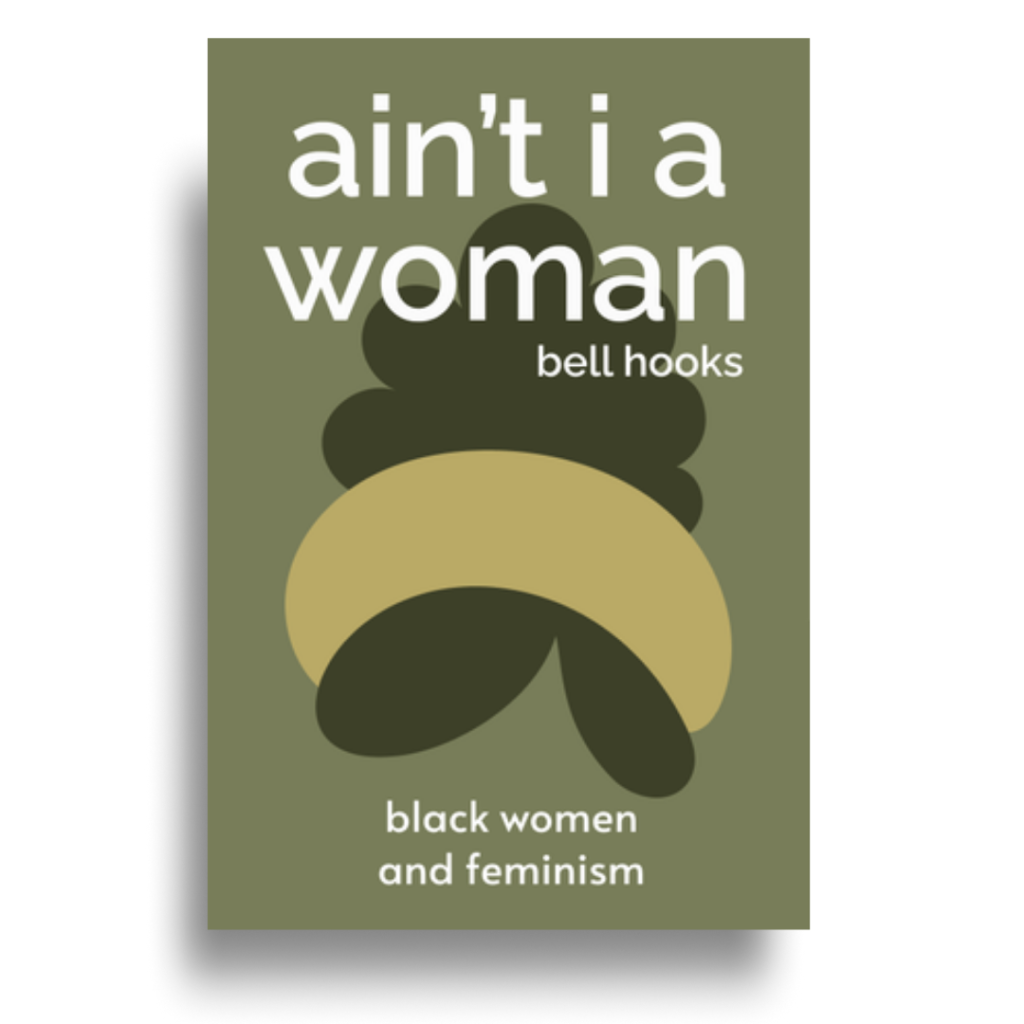
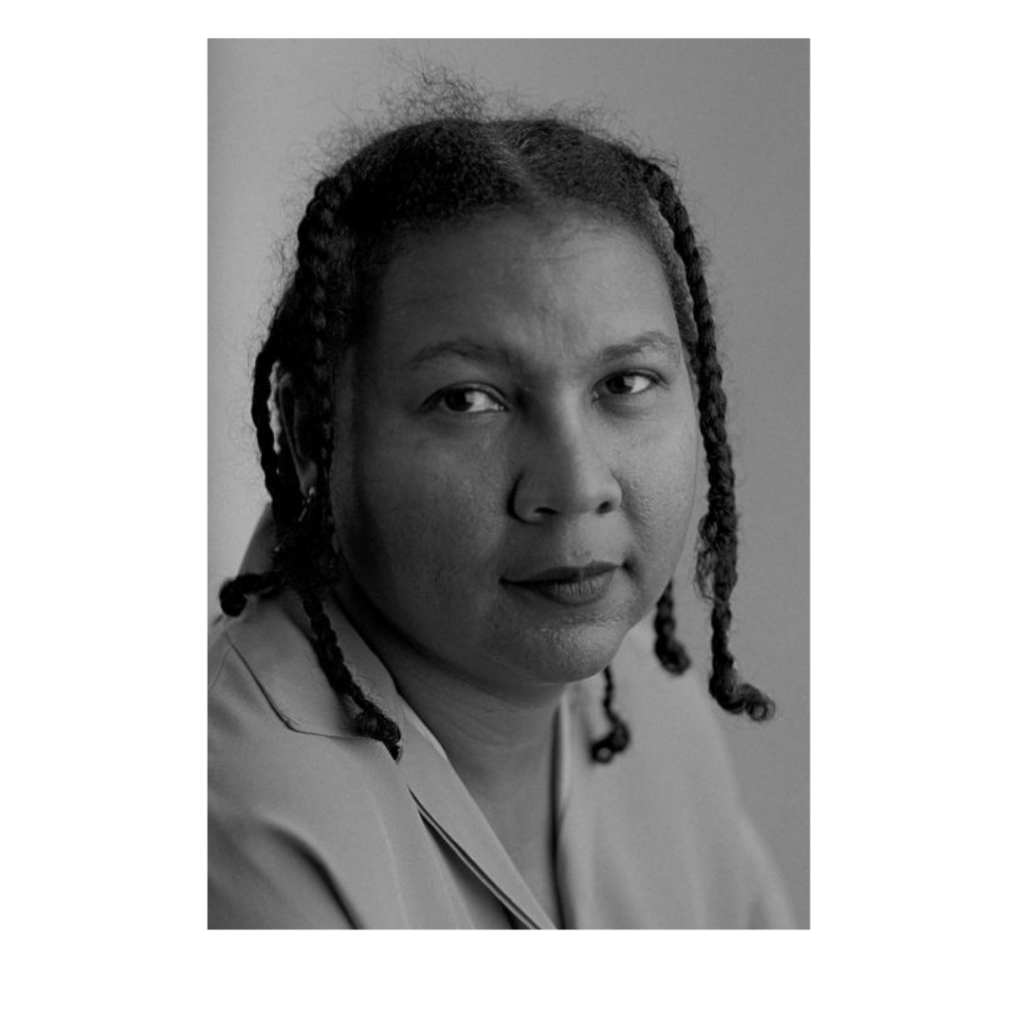
ain’t i a woman | bell hooks
bell hooks examines how black women, from the seventeenth century to the present day, have been oppressed not only by white men but also by Black men and white women.
Manon Buret recommends this book as an essential read to concretely understand intersectional forms of oppression, particularly how gender and race intersect. The book also acknowledges the racist history and practices of the so-called ‘universal’ feminist movements throughout their history and into the present.
This book emphasises the urgency with which feminist movements must acknowledge and act upon their historical practices of racism, as well as xenophobia, Islamophobia, antisemitism, classism, and ableism, otherwise they will never be truly inclusive, intersectional and decolonial. “Taboos need to be lifted, apologies must be made, and the struggle should continue!” she emphasises.
Reflection question: Have you dug into past or current discriminatory practices within your feminist movement, and what are you doing to address it?
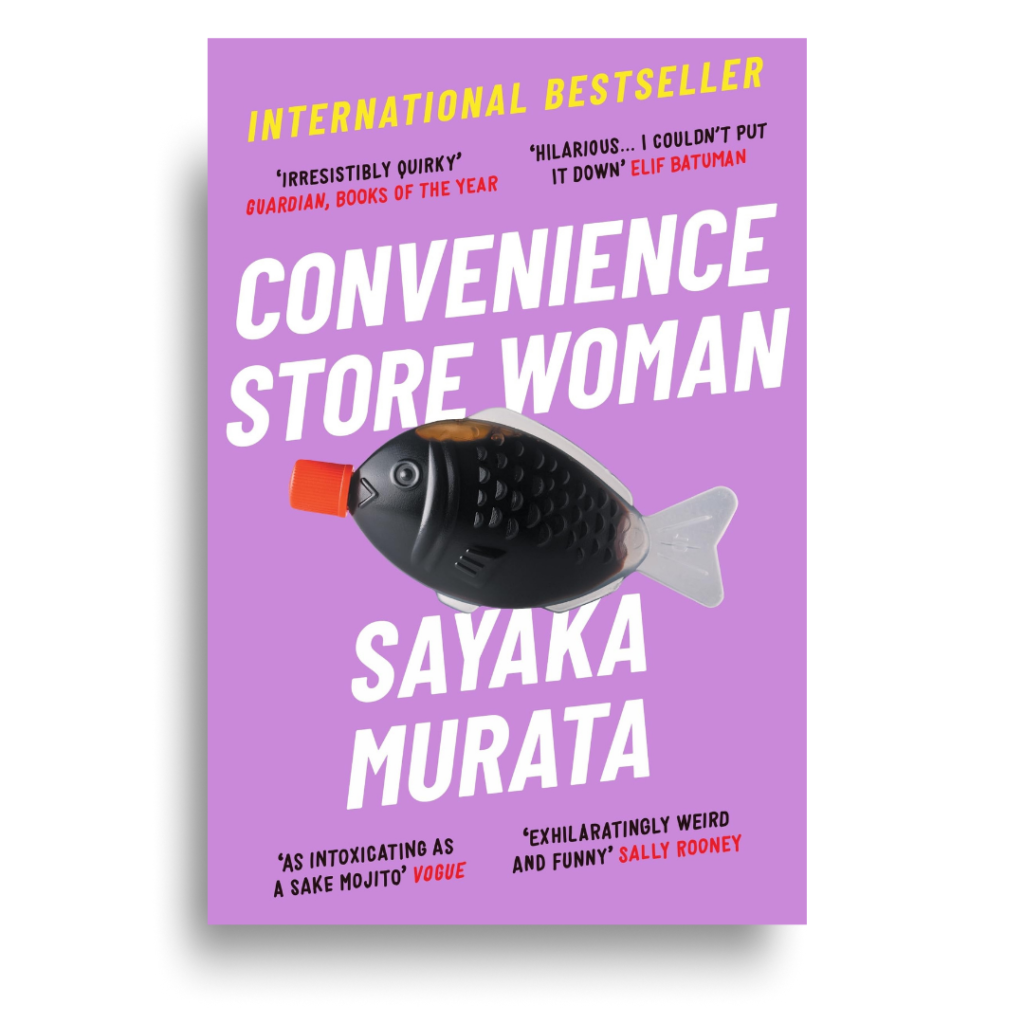
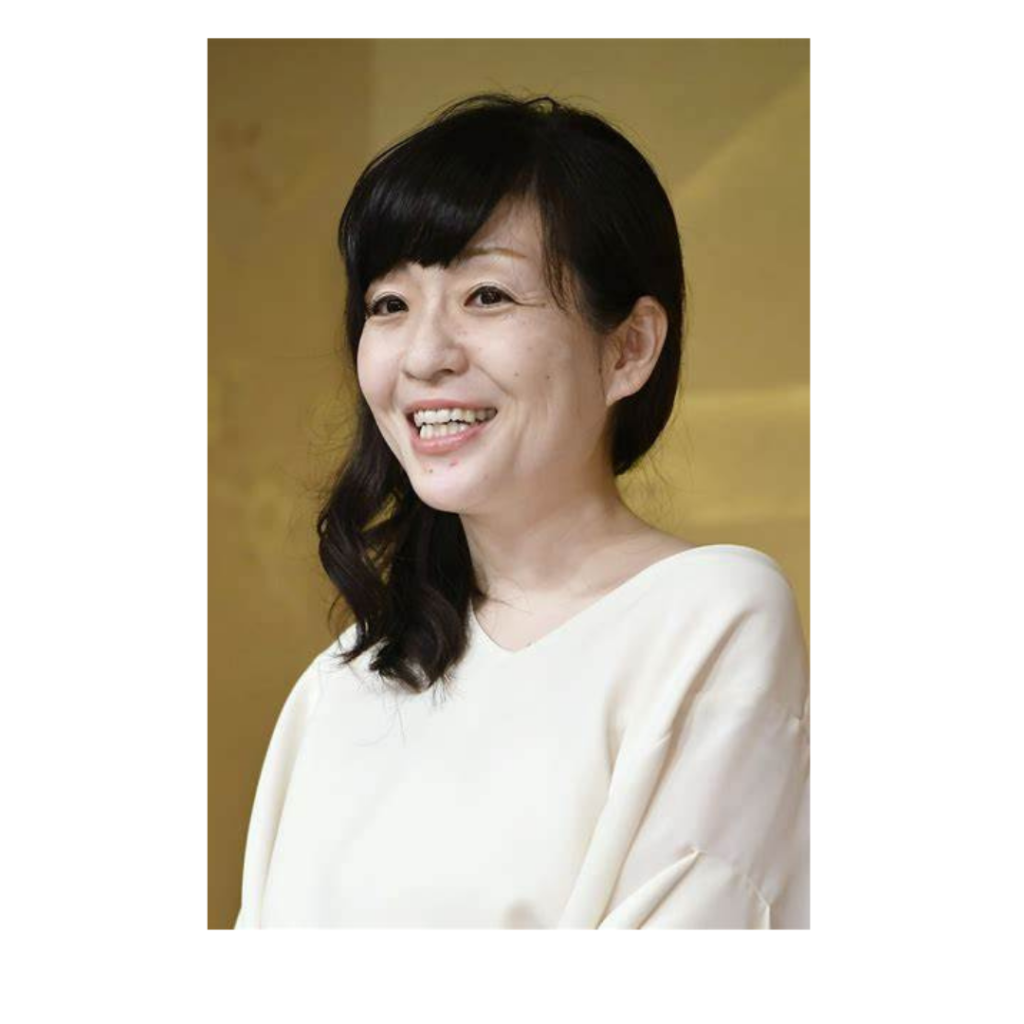
Convenience Store Woman | Sayaka Murata
This novel explores the life of Keiko Furukura, a 36-year-old woman who finds meaning and structure in her work at a convenience store. It delves into themes of societal expectations, nonconformity, and the quiet dignity of finding fulfillment in unconventional ways.
Kavipriya ThiruselvanI recommends this book for its poignant critique of societal norms and its exploration of individuality. It challenges readers to reconsider the value we place on conventional success and question whether our judgments of others stem from genuine care or societal programming.
“This book reinforced my belief in the importance of embracing diverse paths to happiness and fulfilment.” It challenges patriarchal notions of what a “successful” life should look like, particularly for women, and highlights the subtle forms of social pressure that shape our lives. “It made me reflect on how society marginalizes those who don’t fit into traditional molds.”
Reflection question: How much of what you do in life is truly for yourself, and how much is to satisfy societal expectations?
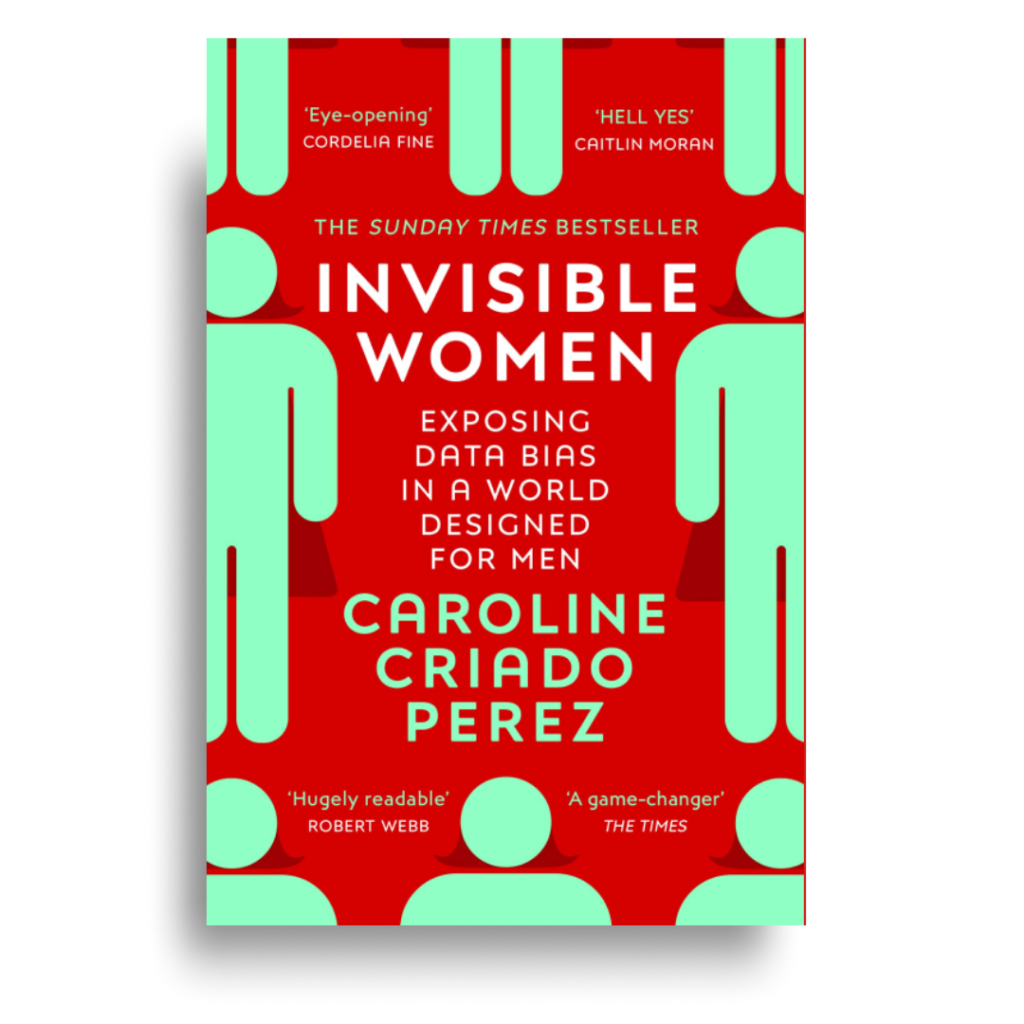
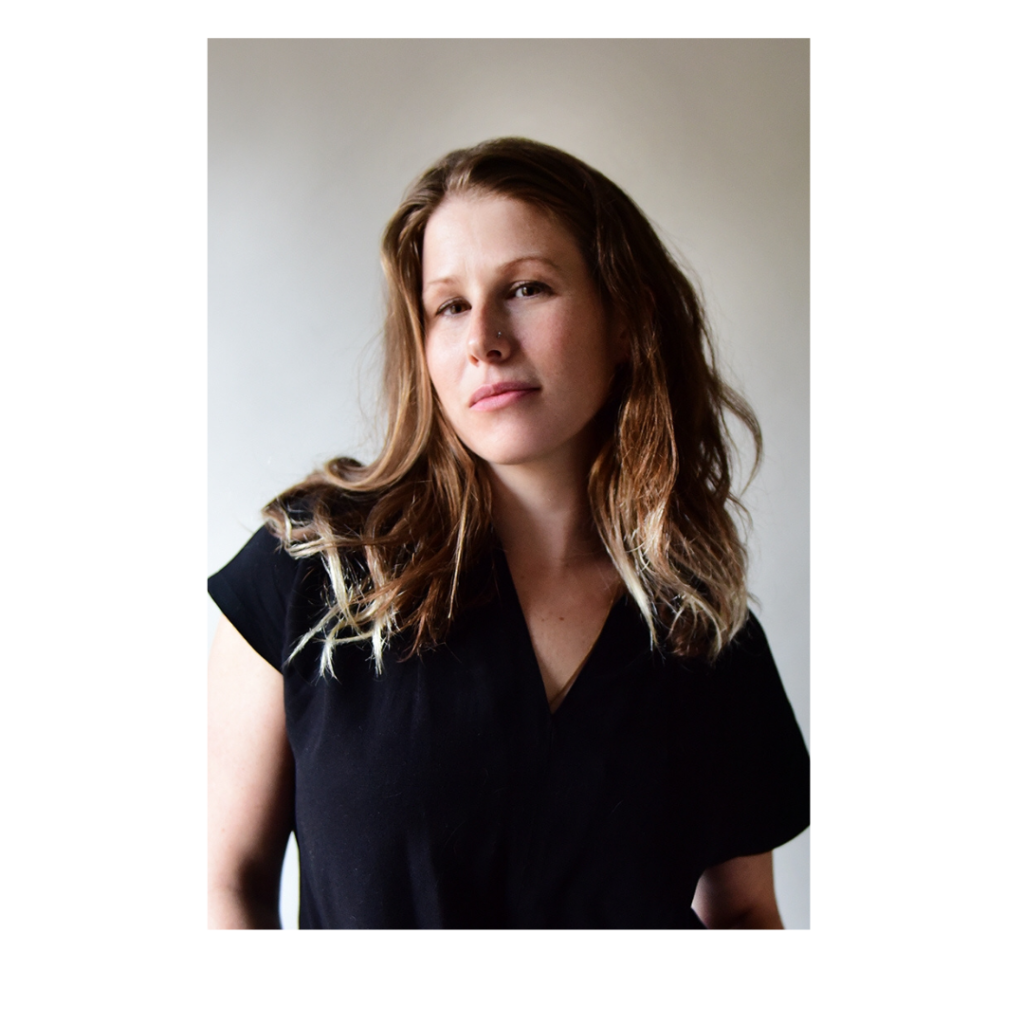
Invisible Women | Caroline Criado Perez
This book delves into the hidden ways that gender data gaps shape our world, revealing how systemic biases often exclude women from design, policy, and research decisions. Using a wealth of data, Criado Perez highlights the tangible, and often dangerous, consequences of these oversights on women’s daily lives.
Invisible Women powerfully illustrates how seemingly small oversights in data collection and analysis can perpetuate inequality, and skillfully exemplifies the various ways women are sidelined and excluded in a world built by and designed for men. Importantly, Criando Perez emphasises how even the best intentions can fall short without inclusive data. For those of us working in peacebuilding, it’s a vital reminder of the importance of inclusive, gender-sensitive approaches to our planning, monitoring, evaluation, and learning practices.
Florence Meuwissen recommends this book for its critical insights into how gender-blind data and decision-making might unintentionally reinforce the very inequalities we seek to dismantle. “It reinforced my commitment to collecting and using disaggregated data to make sure everyone’s needs are heard and addressed—whether it’s in designing programs or evaluating their impact”, she shares. The book’s many surprising examples also served as a powerful reminder to continually question assumptions about whose needs are truly being met through our work.
Reflection questions: How might the absence of gender-sensitive data impact peacebuilding outcomes? Are we really listening to everyone’s experiences, or just the loudest and most visible voices?
Florence encourages readers to consider how we can close the data gaps in peacebuilding and amplify the perspectives of those often overlooked.
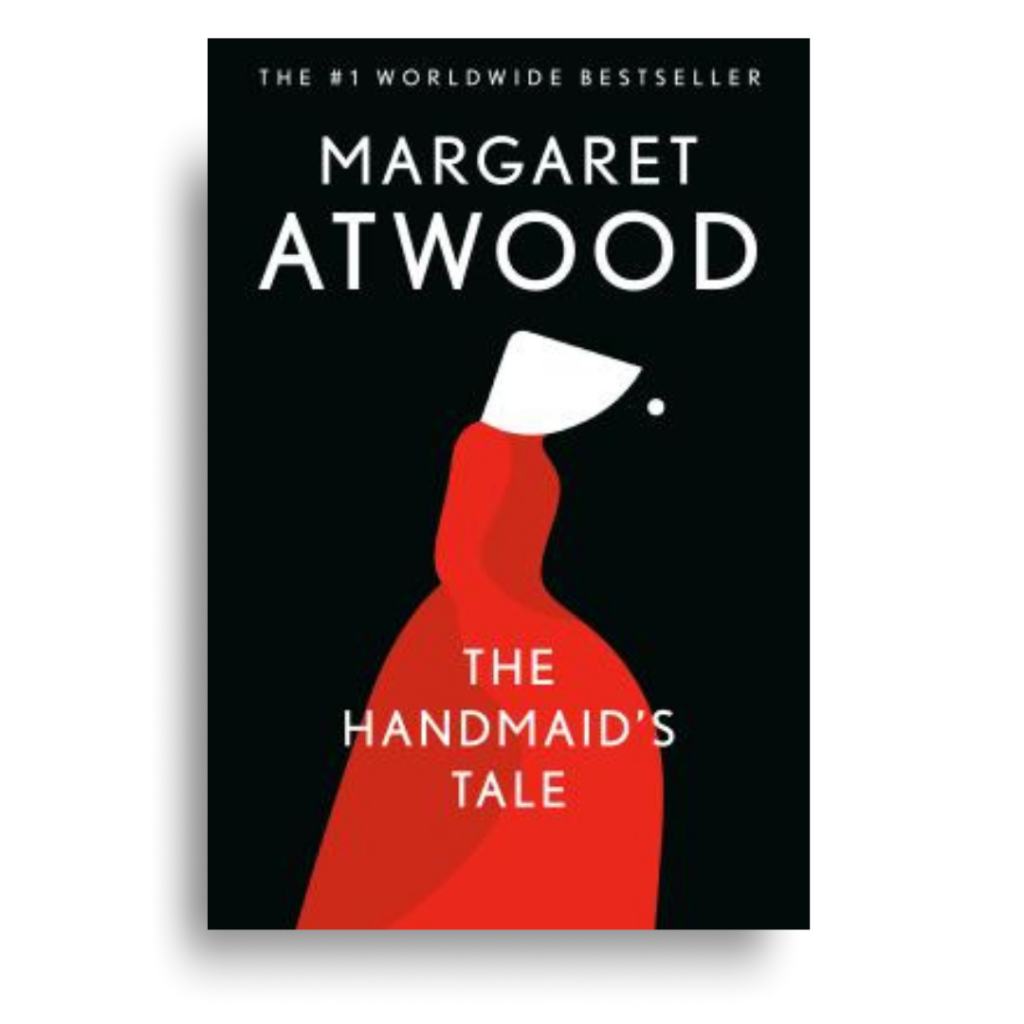
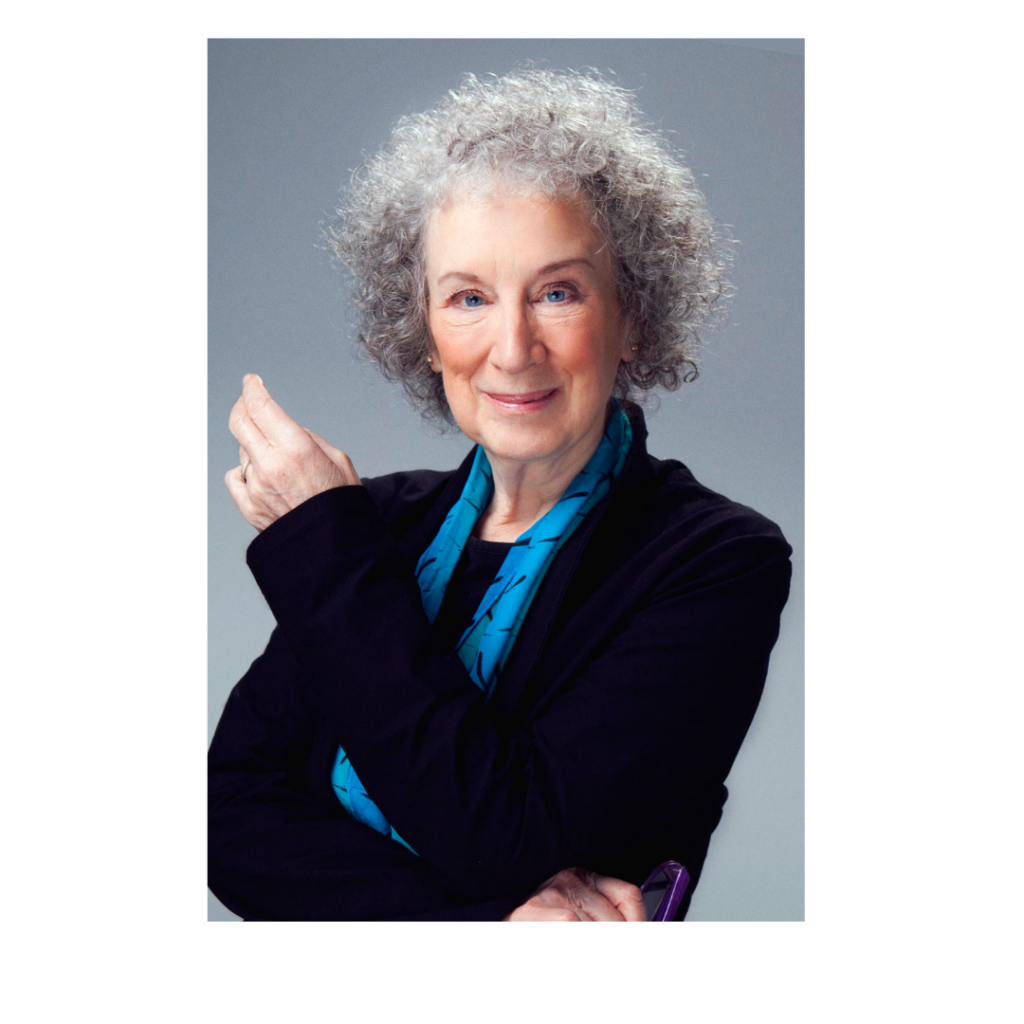
The Handmaid’s Tale | Margaret Atwood
The Handmaid’s Tale is a dystopian novel set in the totalitarian Republic of Gilead, where women are stripped of their rights and valued solely for their ability to bear children. Through the eyes of the protagonist, Offred, Margaret Atwood explores themes of power, oppression, and resistance in a disturbingly realistic world.
This book is a powerful reminder of the importance of freedom and equality, and it challenges us to never take our rights for granted. Atwood’s masterful storytelling draws you into a grim reality that feels all too familiar, making it a deeply thought-provoking read. It’s striking to think that his book was written in 1985, as its themes remain incredibly relevant in the 21st century. However, it’s worth noting that the book has a peculiar writing style, which isn’t everyone’s cup of tea.
The book prompted a deep reflection on the fragility of freedoms and how easily rights can be stripped away under oppressive systems. It reinforced the belief in the necessity of fighting for gender equality and resisting any form of authoritarianism. It also broadened perspectives on the struggles faced by women in marginalized or war-torn regions, highlighting their alarming similarities to the fictional world of Gilead.
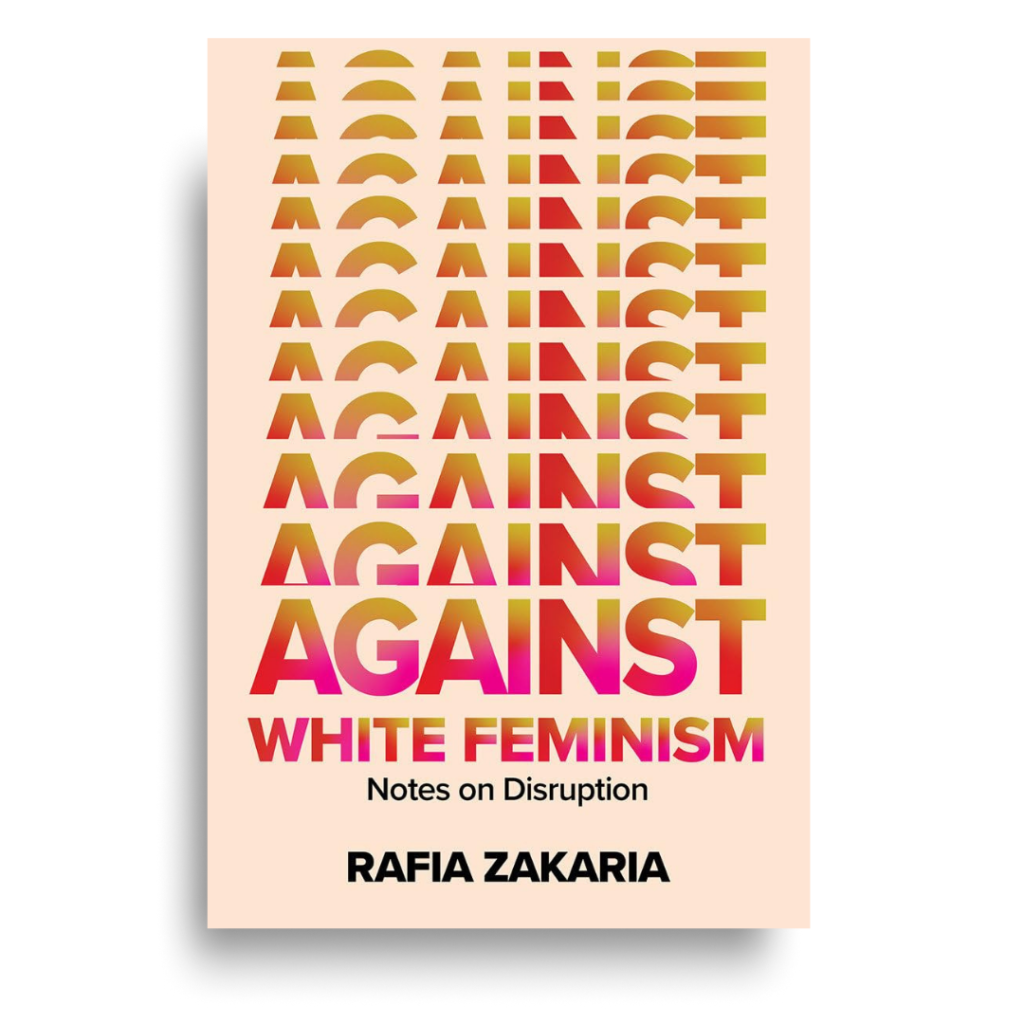
Against White Feminism | Rafia Zakaria
In this book, the author critiques the dominance of “white feminism”, a form of feminism that centers white, Western perspectives while sidelining the voices and struggles of women of color and gender-diverse individuals. Zakaria provides compelling examples of how this approach perpetuates systemic inequality and offers actionable insights for how we can dismantle these structures.
Carina Herlo recommends this book to anyone interested in understanding the intersections of race, privilege, and feminism. As Zakaria argues, you don’t need to be white to adopt white feminist principles, which describe a set of assumptions and behaviors deeply embedded in mainstream feminist movements. Her analysis challenges even the most well-intentioned efforts, showing how they can inadvertently exclude others.
“I appreciated how unapologetically critical Zakaria is, particularly when she examines how white feminism has been complicit in global systems of oppression.” One striking example was Zakaria’s critique of Western feminists who supported the War on Terror under the guise of “liberating” Muslim women. This showed how such actions not only upheld oppressive systems but also replaced patriarchal power structures with equally exclusionary ones led by white women.
Reflection question: How do we ensure that the critical insights from books like this one translate into meaningful action, not just discussions?
Conclusion
Whether you’re new to feminist literature or revisiting familiar ideas, we hope these recommendations inspire you to read, reflect, and think more critically about how we can use books to inform and strengthen our peacebuilding efforts. Each book offers unique insights into the intersections of feminism, justice, and equality, reminding us of the importance of diverse perspectives in creating meaningful change.
If you’ve read a book that has shaped your peacebuilding journey, we’d love to hear about it! How has this book inspired you, challenged your thinking, or changed your perspective on equality, feminism, or social justice? If it didn’t shift your views, did it reinforce any beliefs or opinions you already held? Share your thoughts with us at communications@unoy.org and let’s keep this conversation going. Your recommendations could inspire others to read, reflect, and contribute to a more inclusive approach to peacebuilding.
Header artwork by Carolyn Taylor | The Greats