- 23-year-old woman
- Living in the capital of her district
- Working to promote the rights of marginalised genders and sexualities¹
The strict focus on security measures in my country has had a serious impact on my civil and political rights, and I have been at risk as a result of my work. Protecting these human rights and responding to crisis situations requires partnerships, rapid responses, and an overall shift from reactionary to long-term solutions.
Table of Contents
- 0. Introduction
- 1. Vision, Mission, Values
- 2. Context
- 3. Landscaping Change
- 4. Noura, the Protected Peacebuilder
- 5. Pablo, the Resourced Peacebuilder
- 6. Ray, the Participating Peacebuilder
- 7. Musamba, the Equal Partner in Peace
- 8. Sabeena, the Creative Changemaker
- 9. Groundworks for Peace
- 10. Reaping Change
- 11. Notes on Language
For the PDF version:
Goal: Young peacebuilders’ rights to civic engagement for peace are protected

What if young people, like Noura, have safe spaces to build peace in their communities? More and more, young peacebuilders must navigate socio-cultural, political and legal, physical and psychological, financial, and digital threats when building peace. Often, an overemphasis on ‘security’ for peace is used as an excuse to crack down on civic space. Attempts to silence Noura’s voice for an inclusive society, to cut funding for her peace work, and to endanger her digital, physical and emotional integrity put us all at risk. These threats hinder her right to be civically engaged, to participate in decisions that affect her community, and to simply disagree with the system around her. Ultimately, safeguarding these rights has huge implications for the active participation and engagement of young people. In the world we create, Noura’s political and civic rights are protected, without further victimisation, and she builds peace in a safe, enabling and gender-responsive civic space.
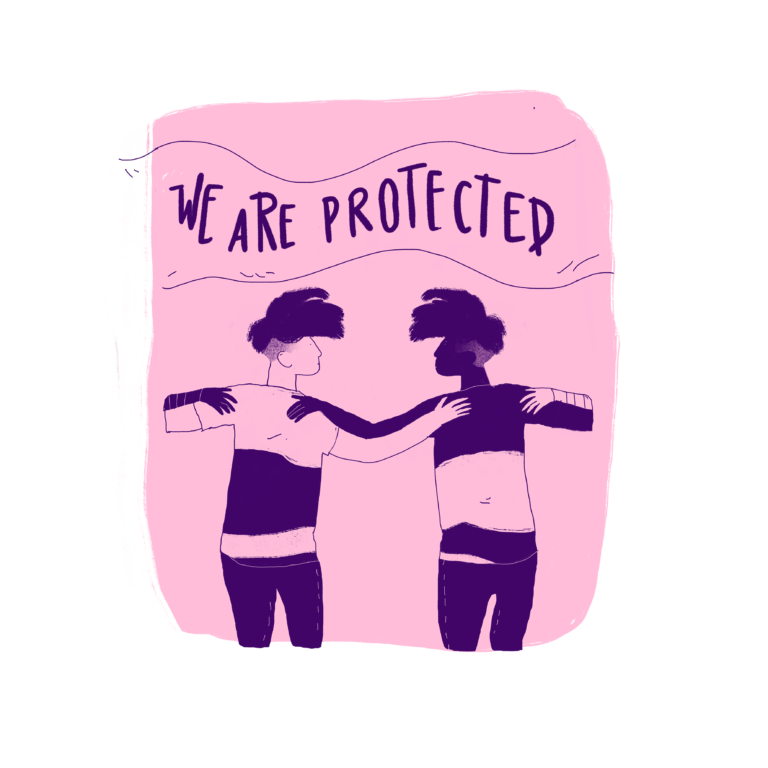
Shaping a new landscape
How do we secure the rights and space for youth-led peacebuilding? It starts with mobilising people and resources within the UNOY community, while also securing a wider community of defenders. So that they can continue their important work even in times of crisis, we will develop a protection-specific network for young peacebuilders and an emergency response mechanism. So that their voice is not alone in identifying injustice and demanding accountability, we will strengthen our collective advocacy and bring a youth-for-peace voice to human rights spaces. Finally, we will empower youth to identify and navigate protection challenges and shrinking civic space through targeted capacity development on security risk management, advocacy, and knowledge transfer.
harvesting changes by 2023
- A collective and resourced strategy among key international partners is in place for protecting young peacebuilders in times of crisis
- Earmarked funding for the protection of young peacebuilders exists in 2 critical regions, and focused on youth positive potential for peace
- More UNOY peacebuilders are able to carry out their work safely as a result of UNOY’s advocacy towards relevant national and regional governments
¹The 5 young peacebuilders presented here are fictional characters (inspired by our members) that embody the changes we want to make.