Our Path Towards Gender Transformation
Introduction
At UNOY Peacebuilders, we firmly believe that gender and peacebuilding are inextricably linked. The dominant patriarchal structures pose significant barriers to the meaningful involvement of gender diverse and young women peacebuilders. Holistic and sustainable peace can only be achieved if the gender dimension is placed at the core of peacebuilding efforts.
Over the past decade, we have strived to recognise, respond to, and transform gendered power dynamics affecting young peacebuilders across our network. The latest development in UNOY’s gender journey was the establishment of a small subgranting programme to support UNOY members in implementing gender transformative approaches (GTA) within their organisations and among partners. Now let’s take a deeper look at the work of our gender champions across the network.
Onwards and upwards: UNOY’s subgranting programme on GTA
Women Volunteers for Peace (WOVOP), Kenya ~ by Grace Orao
Our project, titled ‘Muamko’ (which translates to ‘Awakening’) resulted in several great achievements. To begin with, we connected with GTA ambassadors from all seven sub-county communities in Kisumu, a port city on Lake Victoria. They demonstrated commitment to continuously conduct gender awareness sessions in various peace events, on local radio stations and forums, with the support of WOVOP. This led to the development of a training module that will ensure that 20 to 30 young people are trained twice a month and certified to localise GTA in all aspects of their development agenda. We then started to reserve part of our programme budgets to dignity kit dispensers for staff and volunteers, to be able to respond to their menstrual hygiene needs while at work and ensure their comfort.
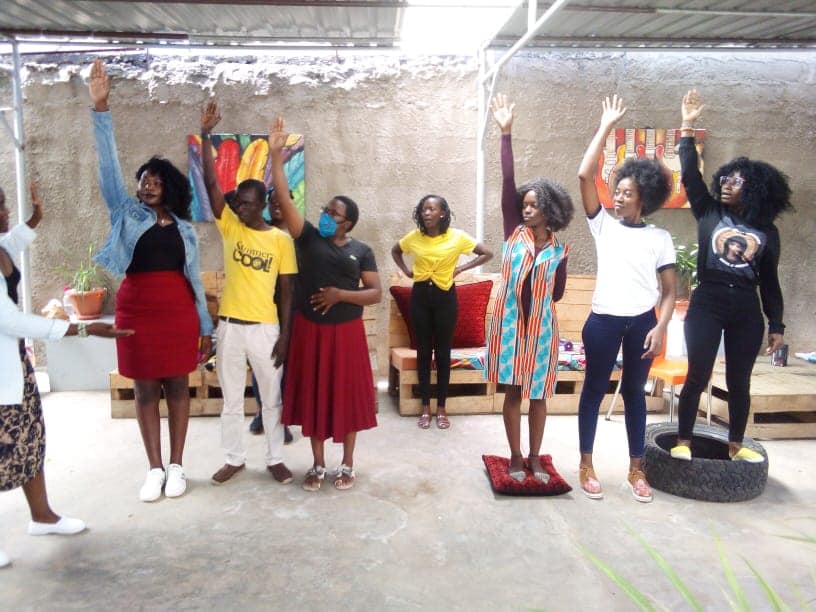
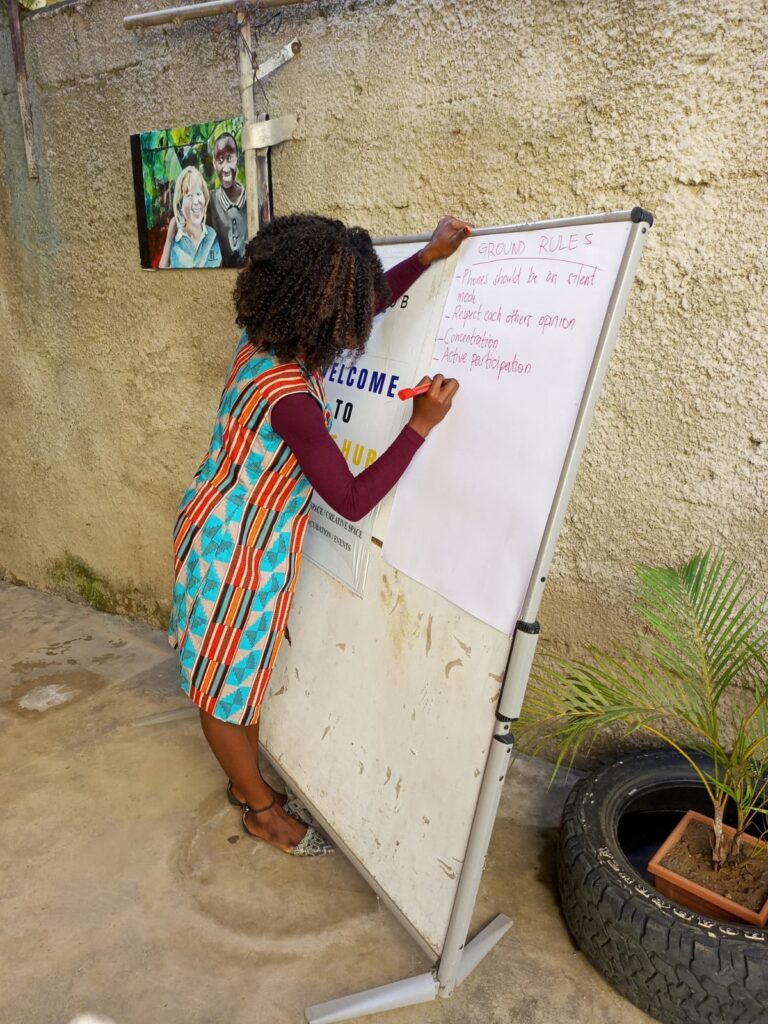
Reflecting on this experience, I must say that GTA is a perfect model that attempts to create gender awareness among youth-serving organisations, for them to rewrite gender narratives in a way that is sensitive, responsive, and non-discriminative. Not only does the model demystify the gender continuum, but it also teaches young people to use gender sensitive language and materials as strategies, to offer alternatives to the prejudices and stereotypes that surround gender issues.
Angel Support Foundation, Nigeria ~ by Mary Ugbaa Sewuese Kuma
Our organisation embarked on advocacy discussions with the Ministry of Women Affairs, Youth and Sports to discuss the need to review national policies, and the possible ways to do so with the adoption of GTA. We conducted a multiplier training on GTA for staff, sharing the knowledge acquired following our participation in UNOY’s capacity development programme on GTA. We also reviewed human resource and gender policies, as well as created online awareness to share knowledge learnt with other civil society organisations (CSOs) and the general public. The intention was to give GTA the required visibility for others to emulate.
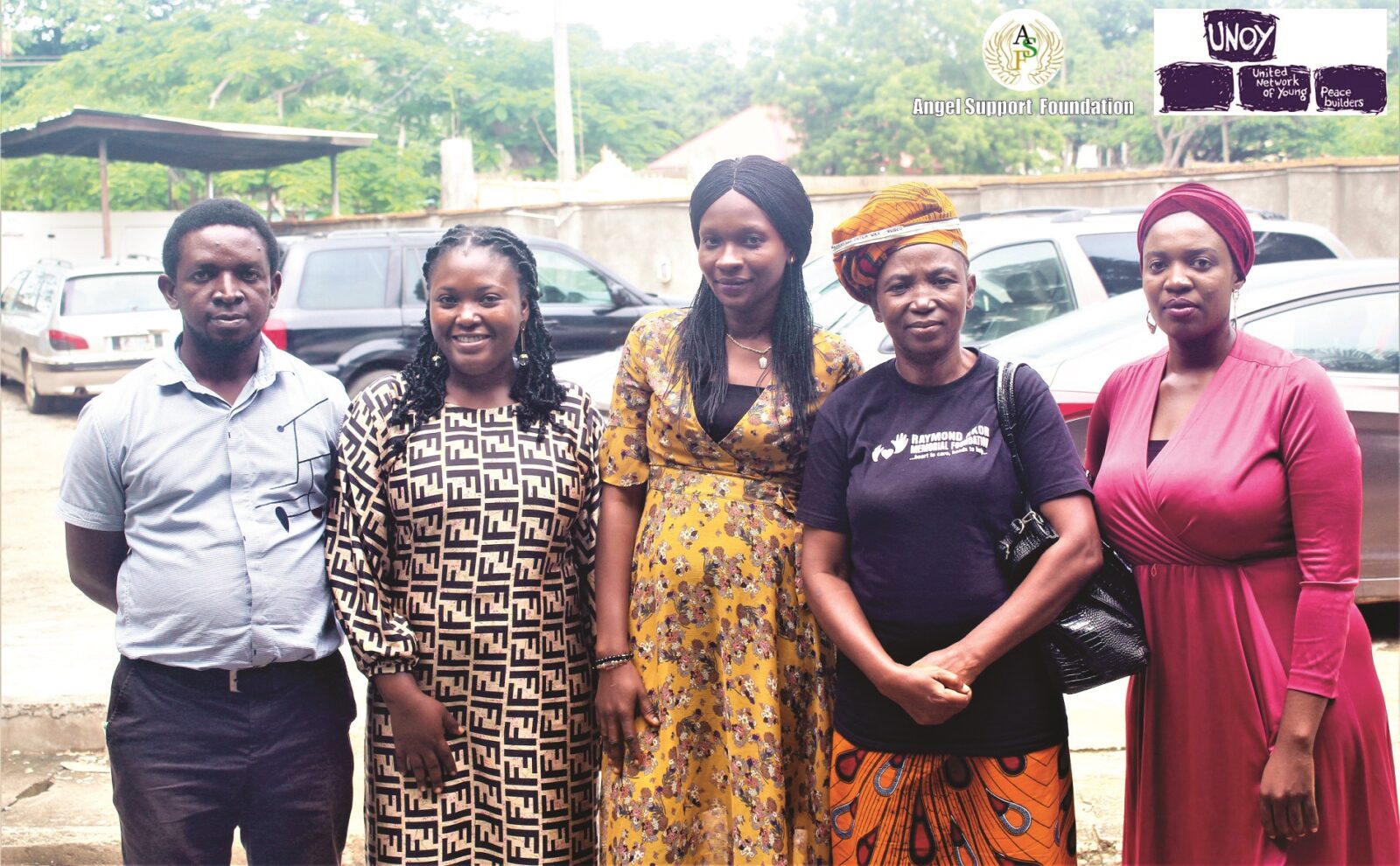
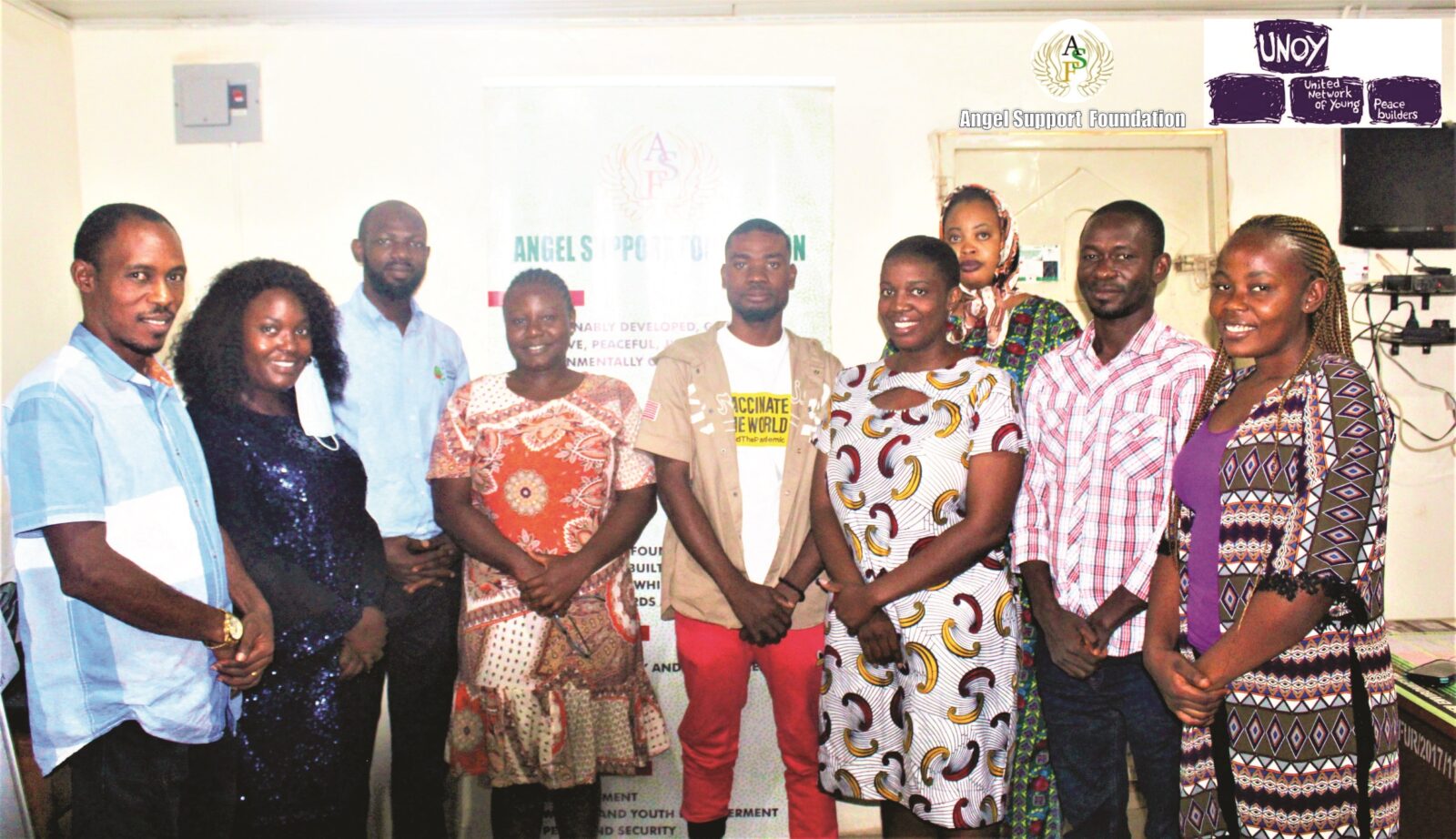
Through this programme, we managed to obtain a commitment from the Ministry to mainstream gender and to work with Angel Support Foundation in future collaborations. On top of that, participants of our training gained knowledge on GTA and we successfully mainstreamed GTA into our organisation’s policies. To reflect on the programme, our experience was truly enlightening. We believe there is a need to raise more awareness on GTA among the public.
Local Youth Corner, Cameroon ~ by Adies Bennin
At Local Youth Corner, we organised a two-day hybrid capacity building workshop on GTA for 20 young people, representing six youth-led CSOs. We hosted young people and exchanged perspectives during an in-depth GTA training module. On day one, we had an in-person training with physical exchanges between young people, on the topics of stereotypes, intersectionality, adopting a gender lens, and much more. On day two, we had an online interaction where we applied everything, we learnt on day one, to design GTA guides for the various organisations in the training.
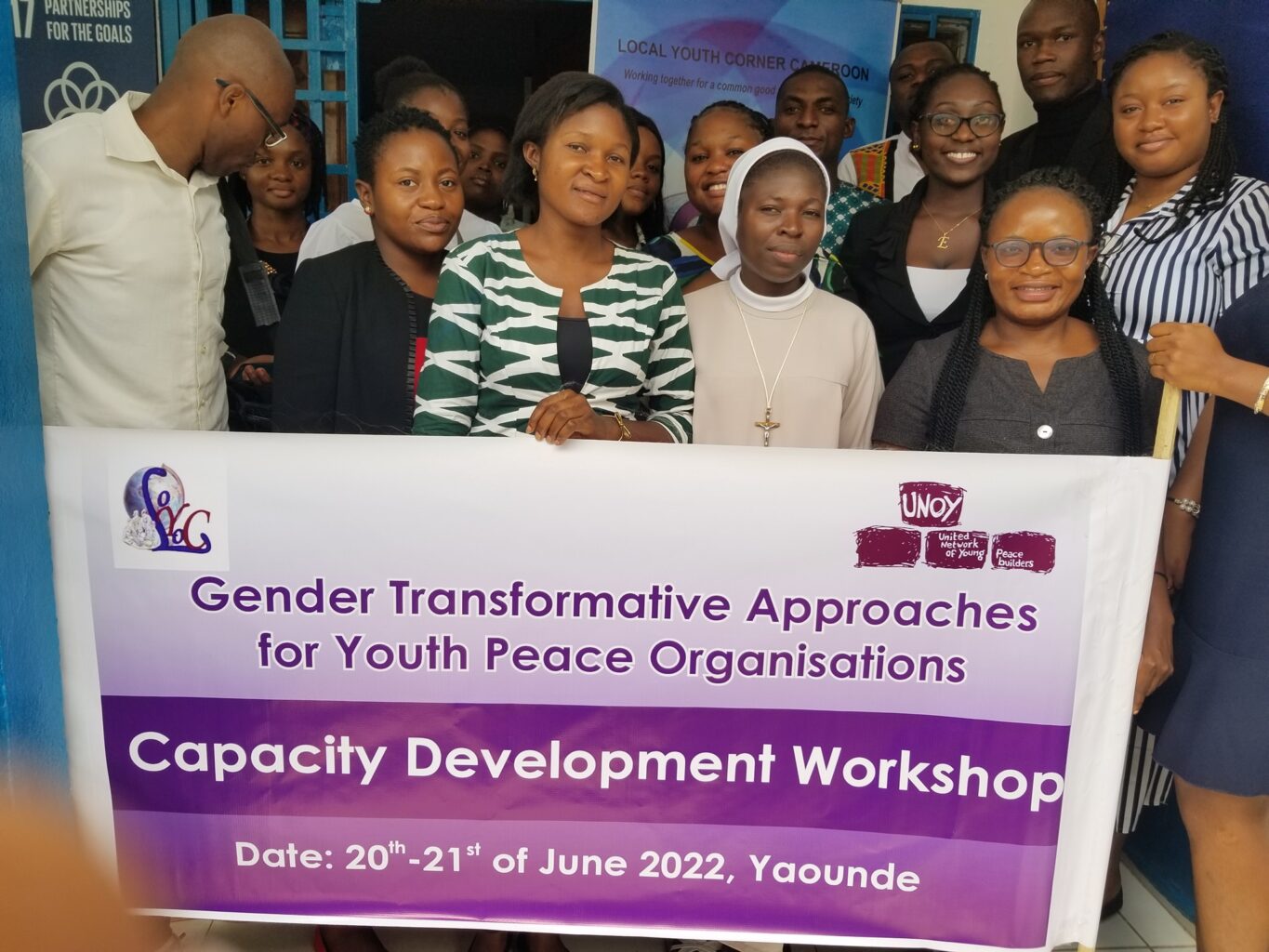
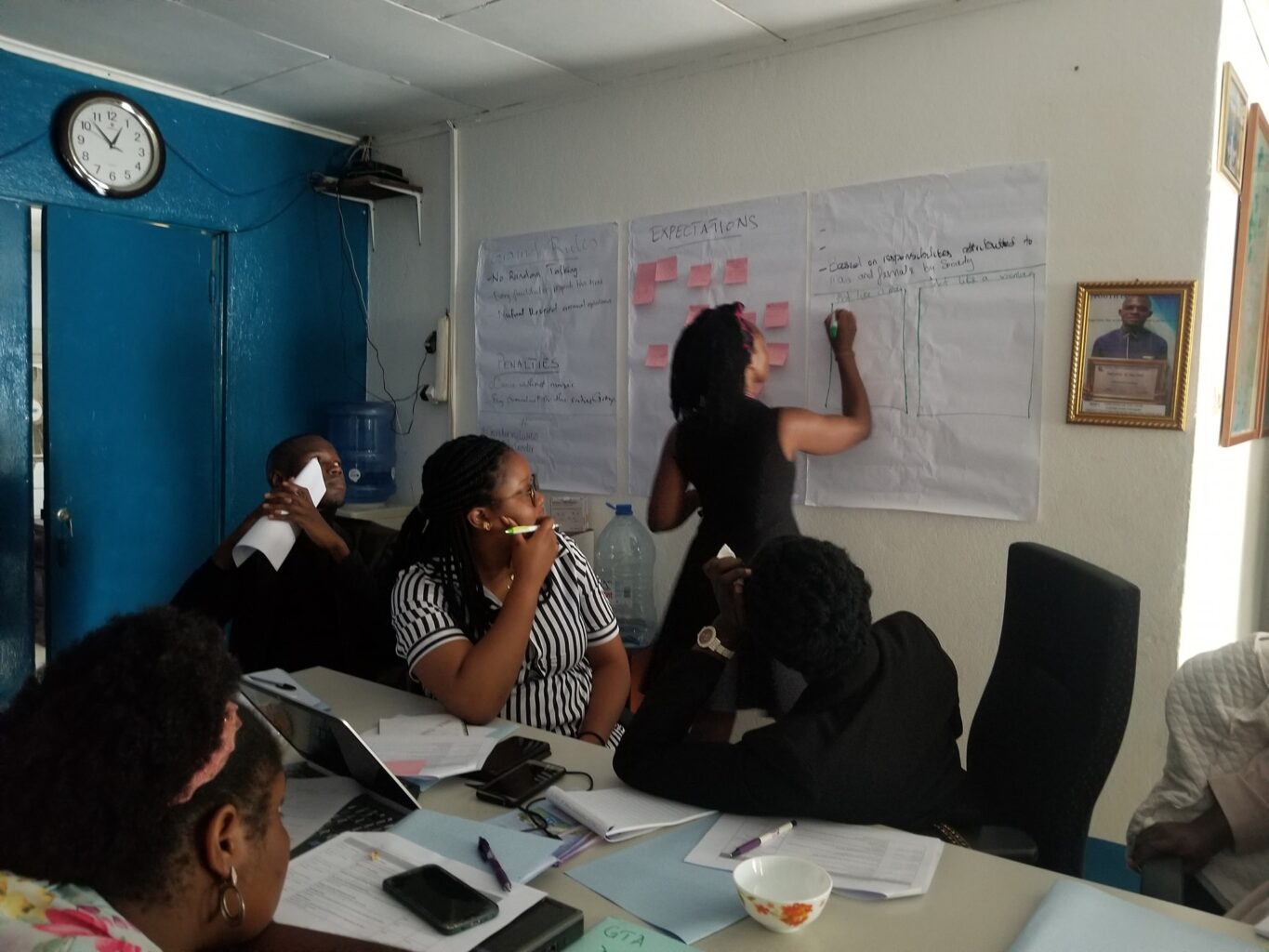
Our achievements can be summarised in three main points:
- There was a significant enhancement of young peacebuilders’ knowledge of GTA;
- Young peacebuilders improved their knowledge and skills in planning and implementing GTA to project activities;
- We created a network of young peacebuilders to learn from one another and share experiences surrounding GTA within everyone’s organisations and programmes.
As a young peacebuilder, getting to know about GTA was personally mind and eye opening. Sharing the acquired knowledge with fellow young people through this project was equally a learning experience. I understood that our opinions on gender vary according to context, and that is why it is important to popularise GTA. This experience also enhanced my skills in programming, as I found myself implementing and exchanging with my teammates at various levels of the project.
Conclusion
These three stories are just the beginning of what gender transformative approaches can do within and beyond UNOY. From these experiences, we will move forward, learn from each other, and work towards a brighter and more gender transformative future!
Are you interested in learning more about Gender Transformative Approaches?
and/or contact us at network@unoy.org.
Written by former and current UNOY Network Officers, Carolina Resigotti and Sushruta Kokkula, with contributions from Grace Orao, Mary Ugbaa Sewuese Kuma, and Adies Bennin.