Decolonizing the rights of LGBTQ+ people in indigenous African communities: A case of Uganda
This blogpost is written by Mpagi Derrick from Minority Rights Foundation (MIGHT), Uganda. The article discusses the challenges and implications of adopting a Western approach to address homophobia in previously colonised indigenous communities within Africa, and specifically Uganda. In addition, the article includes potential pro-LGBTQ+ solutions that can be used by people from post-colonial, indigenous African communities.
Note on the use of the term ‘African(s)’ in this article: During the partitioning of Africa by the colonialists into African countries, many indigenous African cultures were divided into two or even three parts, especially those that existed along the established country borders. For example, Uganda shares borders and cultures with South Sudan, Kenya, Tanzania, Rwanda and the Democratic Republic of Congo, and many Ugandans have multiple IDs. In this article, ‘Africans’ is an inclusive term that refers to people who have multiple nationalities and belong to multiple cultures.
The LGBTQ+ community in Uganda has faced discrimination within the country since the 1890s, when Britain established colonial laws that criminalised homosexuality. However, this was not always the case. Countries like the Buganda, Luo, and Bagishu, among others, have always protected the rights of minorities within their kingdoms, like the LGBTQ+ community. In fact, the Baganda culture always refers to this statement when asked to speak against the LGBTQ+ community in the country: “Ffena tuli Baganda”, which means, “We are all Baganda”. Therefore, no Muganda (member of Buganda kingdom) is superior to another regardless of their sexual orientation, gender or class, among others, with the exception of our King.
Colonial laws not only suppressed the rights of the LGBTQ+ community in Uganda, and Africa at large, but further suppressed their cultural rights post-colonialism. A common view amongst Ugandans is that LGBTQ+ rights are a Western idea imposed on the country to destroy postcolonial Christian or Muslim cultures. In other words: a form of neocolonialism imposed on Uganda. Sadly, international donors and partners have continued to adopt a colonial approach while promoting and raising awareness of the rights of LGBTQ+ communities within Uganda, predominantly by referring to Western laws and practices, an approach that faced criticism and a lack of resonance within most indigenous Africans within the country.
For example, as part of the initiatives to decolonise existing laws and propose a more progressive alternative to the 2010 anti-homosexuality bill, MIGHT Foundation drafted the Sexual Offences and Related Matters Bill in 2015. This bill aimed to establish national laws safeguarding the rights of minorities within the country, with a particular focus on ensuring the protection and recognition of the LGBTQ+ community. Sadly, our bill was, and still is, perceived as a Western concept despite being developed by Black indigenous African youth. This is because we used a Western, colonial tool, a parliamentary bill, to attempt to decolonize our system. Uganda faces high levels of illiteracy and there is a general lack of awareness of governance processes within the country. As a result, very few people within and outside Uganda were aware of the bill and it was easy for Parliament to bury the bill. In 2023, Parliament passed the Anti-homosexuality Act.
Through this experience, we learnt that the best approach to decolonizing Uganda is not through a Western-centric lens, but rather through an indigenous African approach. A native African approach is one that resonates with and is appreciated by Black indigenous Ugandans, and strengthens African indigenous rights that are protected and promoted within indigenous cultures.
An example of a native African approach is the use of African languages. Western countries have traditionally used mostly gendered pronouns, such as ‘he’ or ‘she’, whereas in Buganda it is common to use gender-neutral pronouns ‘na’ and ‘ya’. Many Africans oppose western LGBTQ+ rights movements, including the promotion of Western gender neutral pronouns, which lead to the loss of African language and culture. An African approach of promoting indigenous languages that are widely understood by black indigenous Africans, would be more successful in protecting and promoting the rights of members of the LGBTQ+ community.
Other examples of African approaches are involving indigenous cultural leaders in international and national events on inclusion, and filing lawsuits against the government and institutions prohibiting black indigenous African cultures from promoting the rights of LGBTQ+ people. Adopting a native approach would shift the national narrative from safeguarding post-colonial African culture against Western culture, to prioritising the protection of cultural rights of the LGBTQ+ community within Uganda.
The abovementioned solutions would also help address colonial narratives of indigenous African cultures that have portrayed indigenous cultures as malevolent for protecting and promoting the rights of indigenous LGBTQ+ communities. For instance, our King, Kabaka Mwanga of Buganda, has historically been referred to as a rapist by colonialists for having both male and female sexual partners. Furthermore, Western academic history remembers him as the rapist who sexually abused the Uganda Martyrs in the 1880s. Today, we celebrate Ugandan Martyrs Day on the 3rd July, and remember these so-called ‘martyrs’ for standing up against the king’s sexual advances, an act for which they were supposedly executed. However, the true story is that Kabaka Mwanga executed the Uganda Martyrs, not for refusing his sexual advances, but for leading a rebel group that tried to overthrow him from the throne of Buganda with the support of the British who were against his rule.
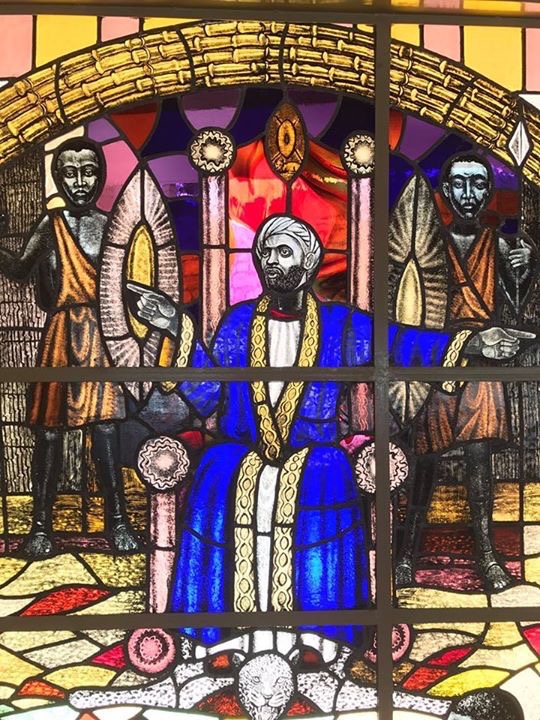
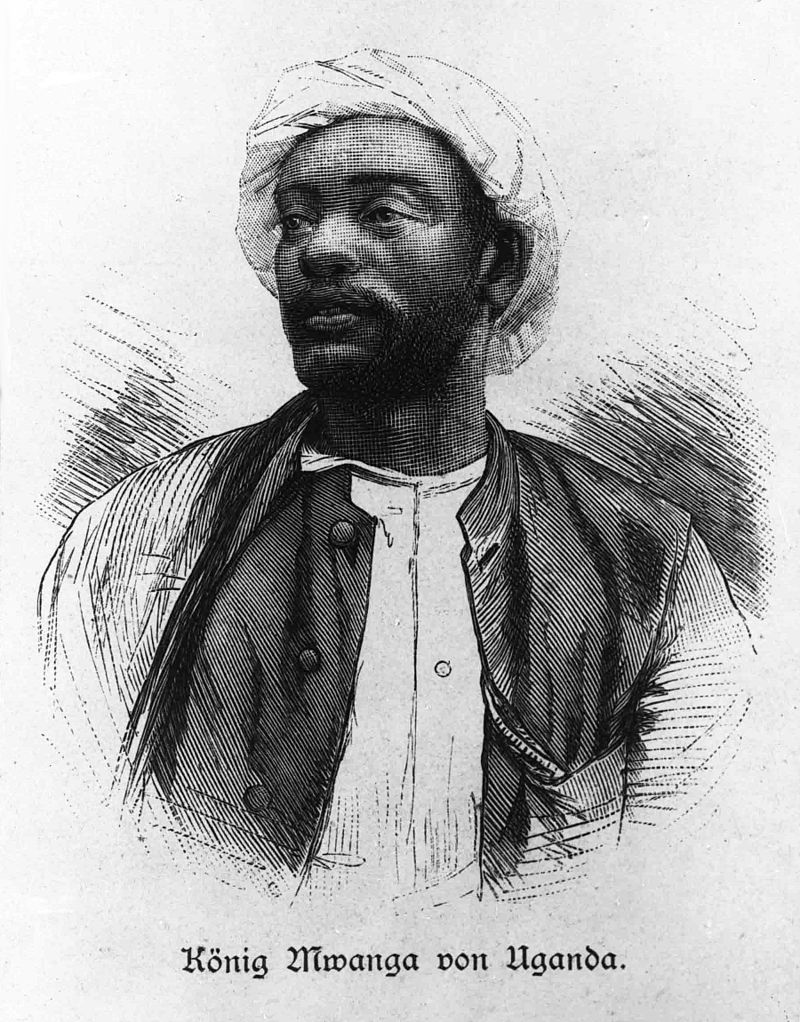
There is a need to protect, promote and strengthen African indigenous cultures and their leaders, through native African approaches, both within Uganda and on national, regional and international levels through partnerships with global institutions and governments. This approach will promote diversity, equity and inclusion and protect the rights of LGBTQ+ communities within Uganda, Africa and the world at large through indigenous local knowledge.
This will help many Africans to:
- Start appreciating and preserving their indigenous cultures;
- Learn how to distinguish their indigenous African cultures from post-colonial discriminative African cultures; and,
- Decolonize their communities and nations through protecting the rights of indigenous LGBTQ+ communities.
References
- Colonial laws that criminalised homosexuality: The British colonial origins of anti-gay laws – The Washington Post
- The MIGHT Foundation Sexual offences and related matters Bill 2015, and its summary: https://mpagiderrick.wordpress.com/2015/07/24/sexual-offences-and-related-matters-bill-2015/
- Article: “From Mwanga to Museveni: Sex, Politics and Religion in Uganda” by Magnus Taylor in African Arguments: https://africanarguments.org/2014/03/from-mwanga-to-museveni-sex-politics-and-religion-in-uganda-by-magnus-taylor/
- Article: “Boy-Wives and Female Husbands” (must read, see paragraph two on Buganda opinions about homosexuality before and after colonialism under the sub-topic Bantu): https://books.google.co.ug/books?id=WfJQAwAAQBAJ&q=%22mudoko+dako%22&pg=PT49&redir_esc=y#v=snippet&q=%22mudoko%20dako%22&f=false
- Article: “Homosexuality is not un-African” by professor Sylvia Tamale: http://america.aljazeera.com/opinions/2014/4/homosexuality-africamuseveniugandanigeriaethiopia.html
- Further information Mwanga II of Buganda: https://en.wikipedia.org/wiki/Mwanga_II_of_Buganda
- Article: “King Mwanga II: The Alleged Bisexual African King who Fought Against the Christianization of His Kingdom” by TalkAfricana: King Mwanga II: The Alleged Bisexual African King who Fought Against the Christianization of His Kingdom – TalkAfricana
About the author:
Mpagi Derrick is a lawyer and activist with over seven years of experience in the non-profit sector. He earned a Bachelor’s degree in law from Makerere University, Kampala, Uganda. Over the past seven years, Derrick has advocated for the decolonization of Africa, particularly the peace building, health, governance and trade sectors. Currently, he is the executive director at MIGHT Foundation, a non-profit organization in Uganda, where he strengthens his work on decolonization: through village to national / bottom-up accountability dialogues; By developing bottom-up national policies including YPS; By enhancing the influence and relevance of black indigenous African cultures; By raising awareness on decolonization in health, and through technology, i.e a mobile application.