Experience of a Young Peace Researcher: Conventional Research vs Participatory Action Research
Dear peace-loving reader, in this blog post I will discuss: the differences between conventional research and participatory action research in peace research in South Asia, my experience of these approaches based on my involvement in two projects, and which approach is the most appropriate for your goals.
Join me on my journey to know what it is like to be a young peace researcher from India!
Background
I have been part of two research projects on peacebuilding and preventing violent extremism (PVE).
My first project was on “Conflict(ing) Policy and Unpeaceful Means: An Overview of Kashmir’s Turmoil” undertaken as part of my postgraduate dissertation. Due to certain legal and moral limitations, I will not declare the name of the institution. I followed the conventional research approach and abided by institutional norms. It was a small impact assessment study of the Ministry of Rural Development’s Himayat Programme, designed to reduce violence in Kashmir Valley through entrepreneurial opportunities.
More recently, I participated in the #ALLY Project funded by the European Union and implemented by UNOY Peacebuilders with a consortium of partners. I worked with Felix, the lead researcher, and seven other colleagues from Bangladesh, India, Pakistan, and Sri Lanka. This project was based on the participatory action research approach. While I had previously been introduced to this approach, this project equipped me with the relevant tools to implement it.
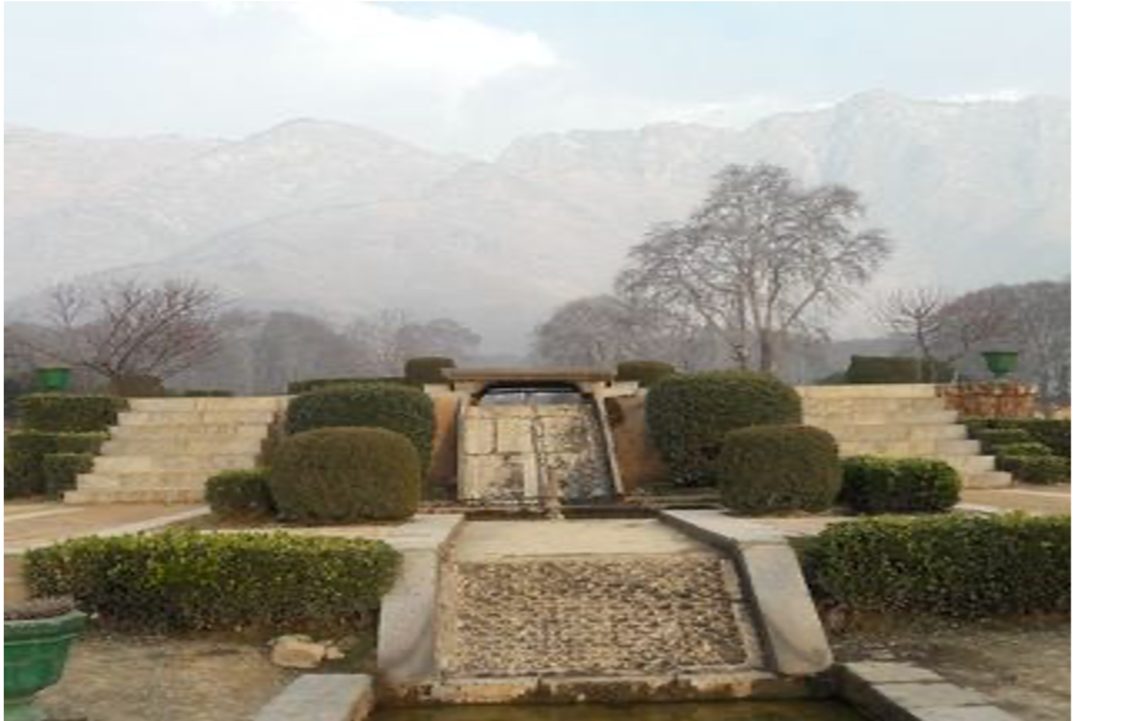
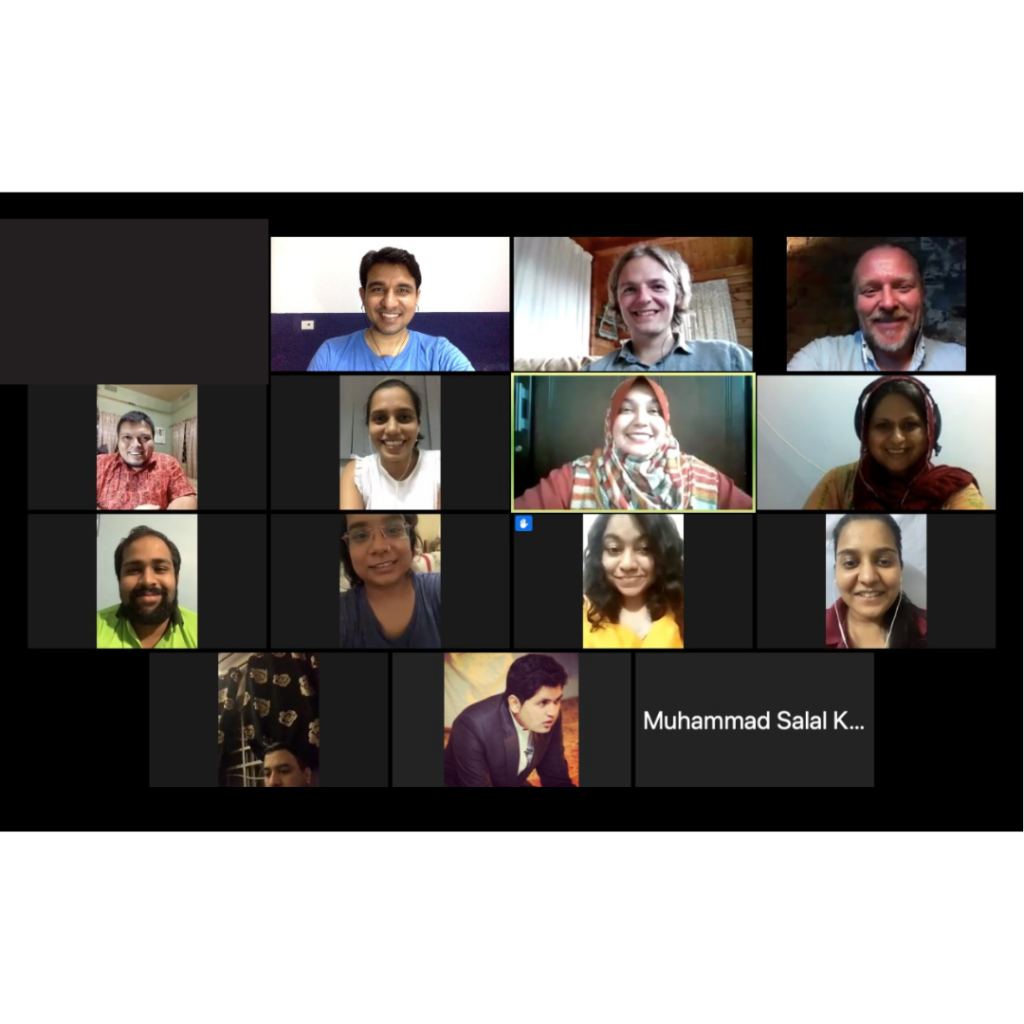
The first picture shows how I was mostly alone during my conventional research project compared to the second picture where I was surrounded by a team of motivated young people.
Differences between the Conventional Research & the Participatory Action Research Approach in Peace Research
Motivation
- Conventional research: As part of a study programme, I conducted a research project, which could not be related to peacebuilding. However, my calling was to work in the field of conflict and peace. I was the only student who chose such a topic.
- Participatory action research: The ALLY project is the brainchild of young peacebuilders passionate about PVE. I felt I was following my calling. This motivation increased a lot when I interacted with the organisers.
Literature Review
- Conventional research: I read a lot on peace and conflict since it was a new subject for me. I realised later that most of my reading was centred on international reports, policy papers, research journal articles, and legal material, mostly engaged with countering violent extremism (CVE). I was not exposed to youth-centred publications.
- Participatory action research: I was exposed to a wide range of publications, including youth-centered and created ones. I read about resolutions like UNSCR 2250 in much detail, which enabled me to understand the difference between CVE and PVE. I read reports created through the Participatory Research approach, which helped me to figure out the kind of outputs we needed to produce.
Research Objective and Questions
- Conventional research: Since I was to conduct this research individually, its objective and questions needed to be limited, decided in isolation, and could only be supported by a literature review.
- Participatory action research: They were decided based not only on certain kinds of literature but also on the experiences of young researchers, the political and cultural context, and most importantly the contribution the research needs to bring to the society.
Data Collection and Analysis
- Conventional research: The sample for data collection was solely based on demographic attributes and the data was collected through survey forms.
- Participatory action research: The samples for data collection were very carefully selected, focusing on how adequately the respondents would be able to contribute to the analysis. The data was collected through semi-structured interviews, which gave us more flexibility on the questions. They were conducted online due to the pandemic. Descriptive data were asked to be included, along with numbers.
Drafting and Presentation
- Conventional research: Far less time was allotted for this part. The panelists saw our presentations because of obligation and were rigid about their own knowledge.
- Participatory action research: A significant amount of time was allotted for this task. The panelists or organisers were interested to know about the research, and they used their existing concepts to make the synthesis more polished.
Outcome
- Conventional research: The dissertation just added to the many reports written by students and hardly referred to. I was majorly discouraged by the panelists. I was told that my research question itself was baseless, even though it was based on the core objective of the very same government scheme I was assessing. I could not publish my work anywhere because hardly any good policy research publication values qualitative or descriptive research. Also, I would be in danger because some of my findings were controversial. All of this left me unmotivated.
- Participatory action research: The research produced reports and policy briefs, which would be presented to several stakeholders and decision-makers. This research will be disseminated, leading us to another phase of the project: implementation. I decided to be part of it as well. Hopefully, this project will bring about some change in world conditions.
Which research approach should you use?
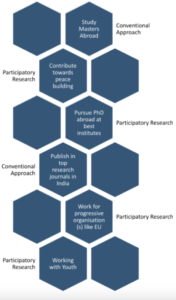
From my professional experience, especially with the two projects, I would recommend an approach based on your goal:
We may never be strong enough to be entirely nonviolent in thought, word, and deed, but we must keep nonviolence as our goal and make strong progress towards it.
~ Mohandas Gandhi
Written by Sameer, ALLY young researcher from India, inspired by his contribution to the ALLY research paper: Peace, My Heart