Advocacy Mission of the ALLY Fellows in Nepal
Important progress has been made since the adoption of UN Security Council resolution (UNSCR) 2250 in 2015.
We have gained UNSCRs 2419 and 2535; an independent progress study on Youth, Peace and Security (YPS): ‘The Missing Peace’ (2018); and the UN Secretary General’s two reports on YPS (2020, 2022). While the YPS agenda currently represents a significant and well-established thematic agenda globally, it’s essential to advance participation-in-practice at the regional, national, and local levels of implementing the agenda.
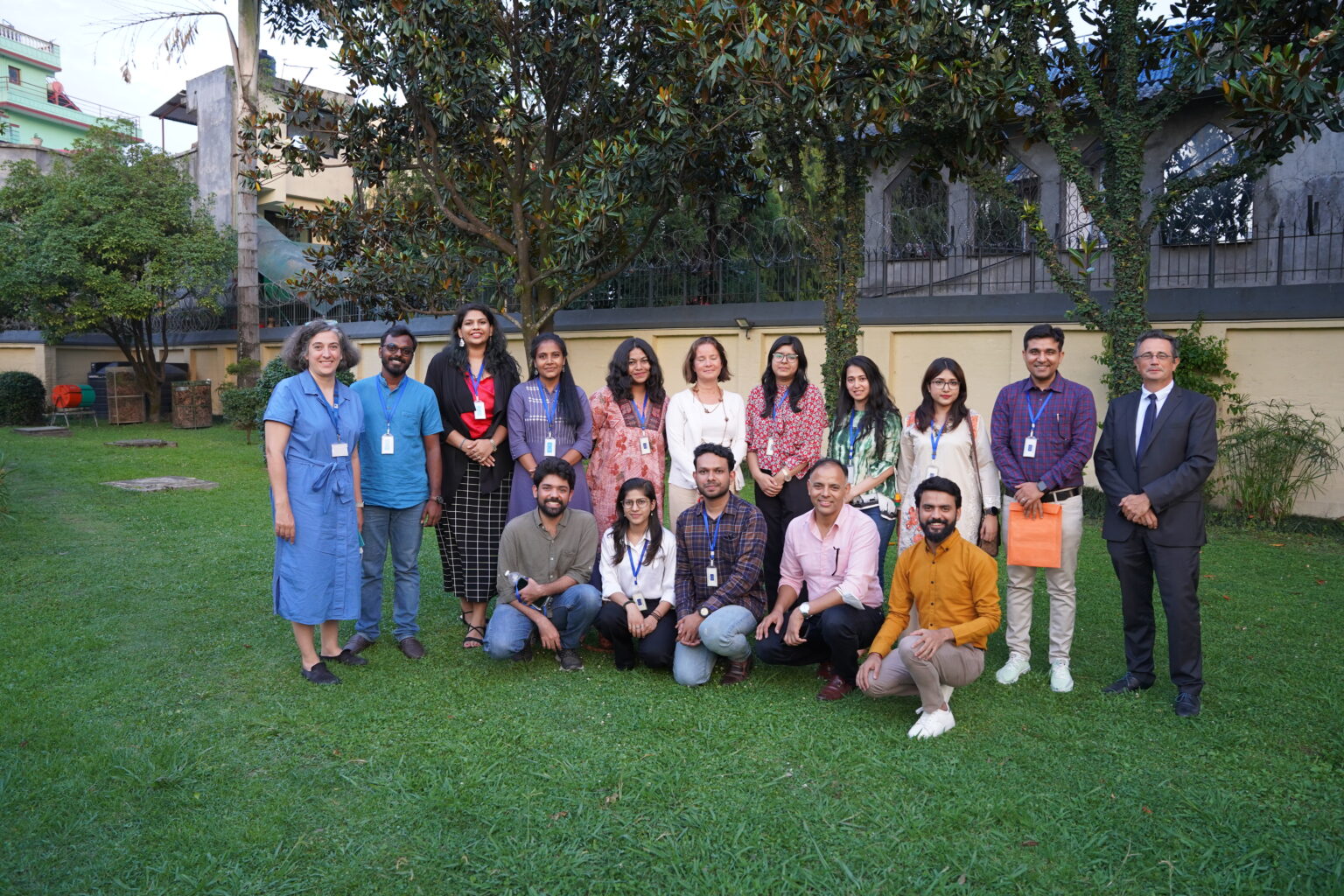
In the first mission of its kind, UNOY’s ALLY Project Coordinator, Mridul Upadhyay, travelled to Kathmandu (Nepal) in May 2022 along with 12 ALLY fellows to meet with officials from the regional intergovernmental organisation, SAARC, and others. These 12 ALLY fellows, three from each focus country—Bangladesh, India, Pakistan, and Sri Lanka—worked for over a month to prepare for this advocacy mission. They analysed the context, mapped stakeholders, prioritised, took appointments, and finally developed stakeholder-specific policy and programmatic recommendations. These recommendations were based on the ALLY policy briefs, as well as the young peacebuilders’ lived experiences and learning from the ALLY fellowship.
On 23 May, they met with Mr Ismail Mamdhooh, the Director of the Social Affairs Division at the SAARC Secretariat. The main objective of the meeting was to make SAARC aware of the work of young peacebuilders and influence them to support YPS agenda implementation in the region. The ALLY fellows presented different kinds of work young peacebuilders are doing, the challenges they face, existing initiatives of SAARC on the lines of YPS, and how the region can progress further in supporting young peacebuilders.
Four key recommendations made by these young peacebuilders were:
- Adopt the YPS agenda and UNSCR 2250, preparing a regional action plan on YPS by expanding the SAARC Youth Action Plan.
- Build capacity of young peacebuilders, civil society organisations, public officials, and policymakers to consider regional peace cooperation (building and sustaining peace) as a priority agenda.
- Build a youth-sensitive financing structure, where projects on youth-led/focused regional projects and networks supporting peacebuilding are financed/co-financed.
- Create a SAARC Youth Peace Advisory Group with representation from all member countries and with varied expertise.
Young peacebuilders received a positive response from the Director for the efforts of young people working with ALLY and for the creation of such a platform. The Director suggested that ALLY reach out to the national representatives of SAARC, as SAARC is a member-driven organisation, unlike any other multilateral regional organisation that could be largely secretariat driven. Later on, fellows also met other SAARC directors and their country ambassadors to SAARC briefly.
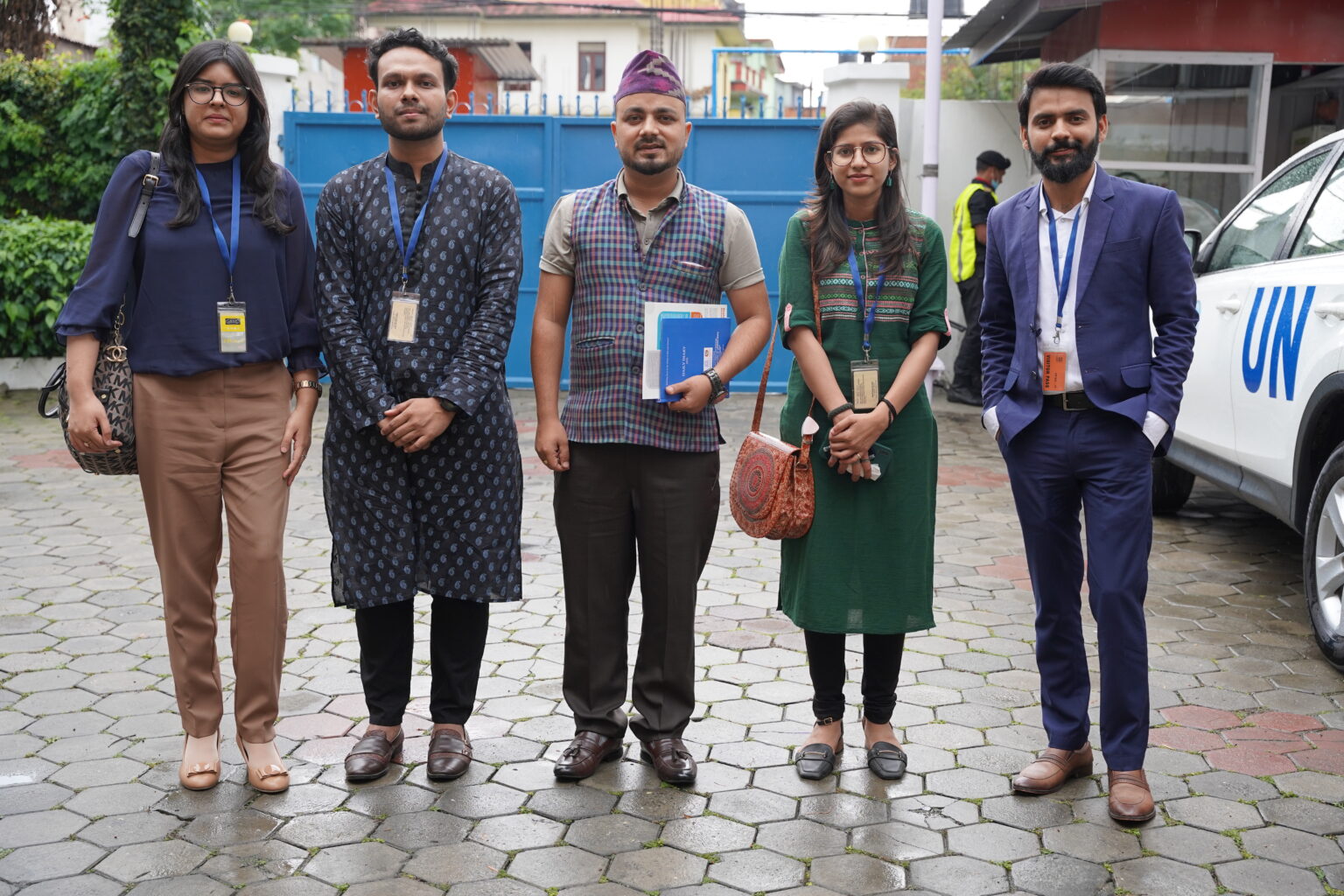
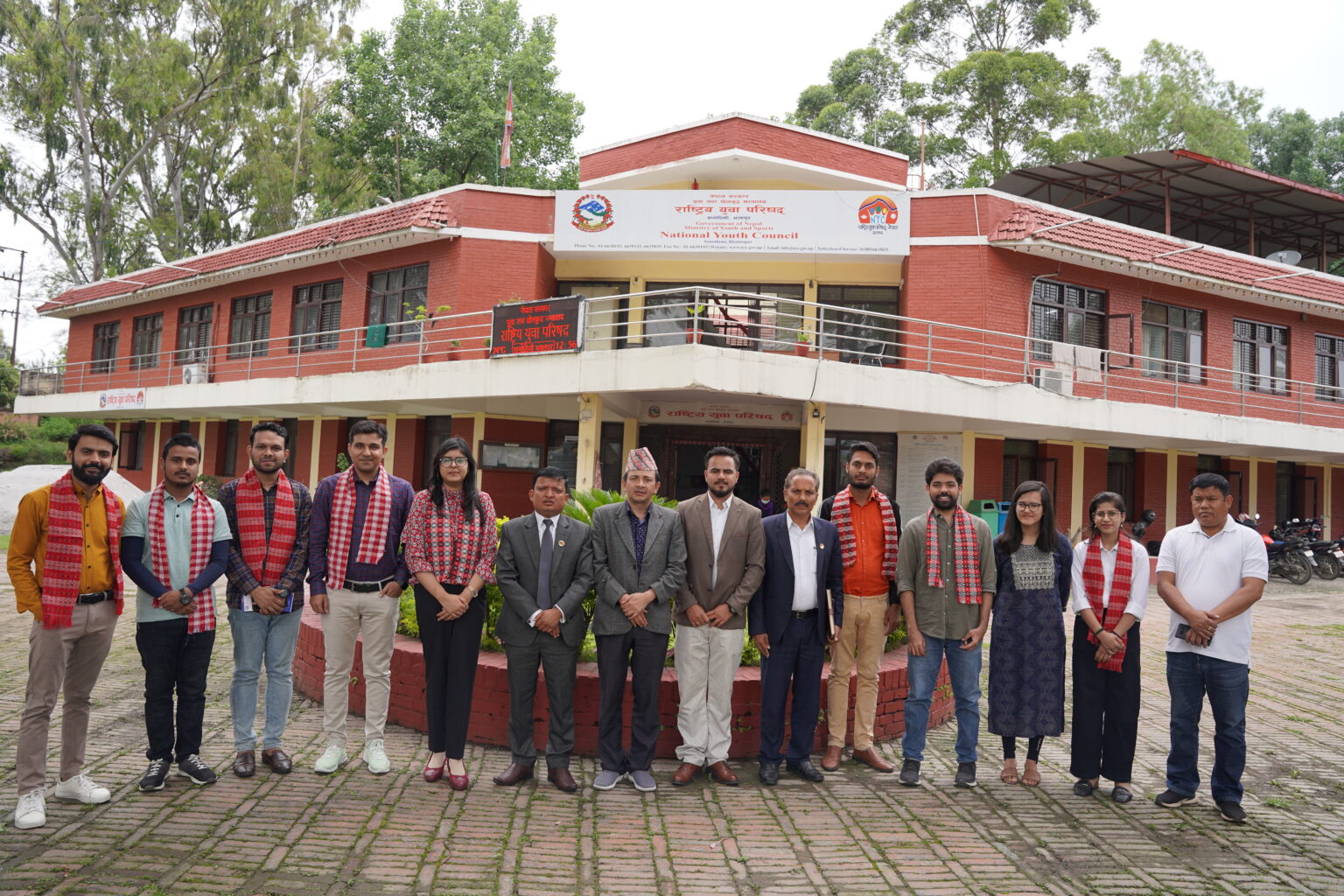
Through ALLY advocacy, the ALLY fellows are already meeting with dozens of government ministries and institutions, multilateral policymaking and peacebuilding organisations, UN agencies, EU country delegations, country embassies, universities, and prominent religious and civil society organisations at the national and regional levels. So, the young peacebuilders also used this opportunity while in Kathmandu to meet with nine other stakeholders: namely, UNDP Nepal, UNESCO Nepal, UN Women Nepal, Amnesty Nepal, Forum Asia, Nepal National Youth Council, South Asia Foundation, URI Nepal, and the Policy Research Institute. As part of this regional advocacy mission, a team of ALLY fellows also had virtual meetings with the SAARC Development Fund and Asian Development Bank.
One ALLY fellow and young researcher, Sameer, mentioned that it had been a significant learning experience for him.
I was fortunate to meet eight stakeholders out of the 12 mentioned above. Here are some of my reflections:
One needs to conduct thorough research on the ‘administrative structure’ of the stakeholder we are advocating for. Without this understanding, it’s difficult to hold any meaningful conversation with them.
When advocating with high-level regional stakeholders, it’s important to take a more regional approach without emphasising a specific country’s context. However, the inclusion of the countries (identities) that the stakeholders represent could help in making a more empathetic connection.
Limit the recommendations to either 2 or 3 points and pitch them strongly.
Keep a balance between pleasing stakeholders and holding our own stance. There are a lot of power dynamics at play in such rooms, so it is important not to get affected by it too much.
Trusting each other as a group, preparing well, and following mutually assigned roles is important in such settings. Otherwise, one person speaking out of context can spoil the entire meeting.
All stakeholders in South Asia still do not see young peacebuilders’ efforts as important; they do not consider us as partners in peacebuilding processes and many think young people are just volunteers or beneficiaries.
Learn more about the groundbreaking ALLY project!