Advancing youth-Led advocacy & policy influence for the Youth, Peace and Security Agenda across the Americas
What Was the Action Lab?
In May 2026, 15 young peacebuilders from 13 organizations across 12 countries across the Americas met in Lima, Peru for the YPS Americas Action Lab. The Lab was designed to move participants from a shared understanding of the Youth, Peace and Security (YPS) Agenda toward practical advocacy skills, coalition-building, and direct engagement with institutional decision-makers.
Why are these spaces Needed?
Youth participation in the YPS agenda has become more visible in recent years, but visibility has not always translated into influence. Across the region, youth participation often remains consultative - resulting in young people being disconnected from the decisions, resources, and implementation processes that shape policy outcomes. National implementation of YPS commitments, including National Action Plans (NAPs) on YPS, is also frequently under-resourced and fragmented.
The Lab was built around a central shift: helping young people not only enter policy spaces, but strengthen their ability to shape those spaces and build lasting infrastructure for youth leadership.
Behind the scenes: YPS Action Lab 2026
How the Three Days Were Structured
The programme followed a deliberate learning arc which involved moving from skill-building to applied practice to institutional engagement.
- Phase 1: Building a shared toolkit: Participants developed a common advocacy language and practical skills, including setting SMART objectives, mapping power and stakeholders, and crafting tailored messages for different audiences.
- Phase 2: Applying the toolkit under pressure: The group connected strategy to real-world conditions, working through national implementation of NAPs, coalition-building case studies, a civic-space simulation exercise, and sessions on wellbeing and collective care.
- Phase 3: Engaging institutions directly: The last stage created structured access to UN-system actors, including UNESCO and UNLIREC, through parallel workshops and World Café-style dialogue, translating two days of preparation into concrete conversations and partnership pathways.
This sequence combined technical learning with relationship-building while recognizing that effective advocacy depends on both strategy and trust.
Key reflections
- Meaningful participation requires real influence over agendas, decisions, and resources, not just an invitation to speak.
- National Action Plans and similar mechanisms need coalitions, funding, and long-term ownership, or they risk becoming symbolic.
- Evidence and documented impact help youth organizations shift from being seen as beneficiaries to being recognized as knowledge holders and implementing partners.
- Regional security challenges are interconnected and demand coordinated, cross-border responses
- Advocacy under pressure requires risk analysis, trusted networks, and careful decisions about visibility.
- Wellbeing and collective care are directly tied to the sustainability of advocacy work, not separate from it
- Government and UN institutions are not uniform bodies; personal relationships and technical teams often create entry points where formal mandates fall short.
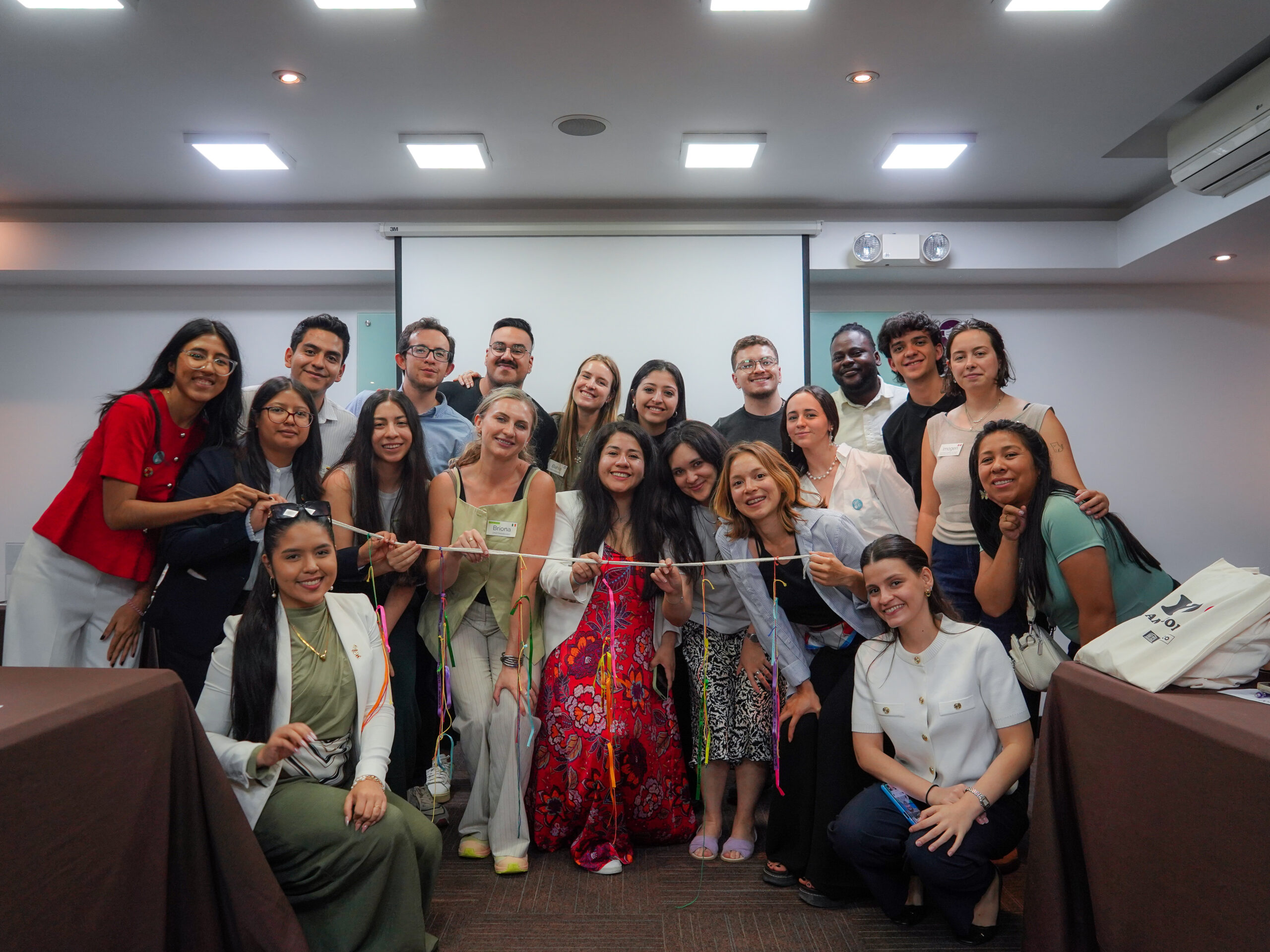
Across the Americas, youth-led organisations continue to push for stronger implementation, greater funding access, and more consistent inclusion in decision-making. Advancing the YPS Agenda requires sustained collaboration between youth networks, governments, and international institutions.
This activity was made possible with financial support from the European Commission