YPS in Albania: Peace begins in youth offices
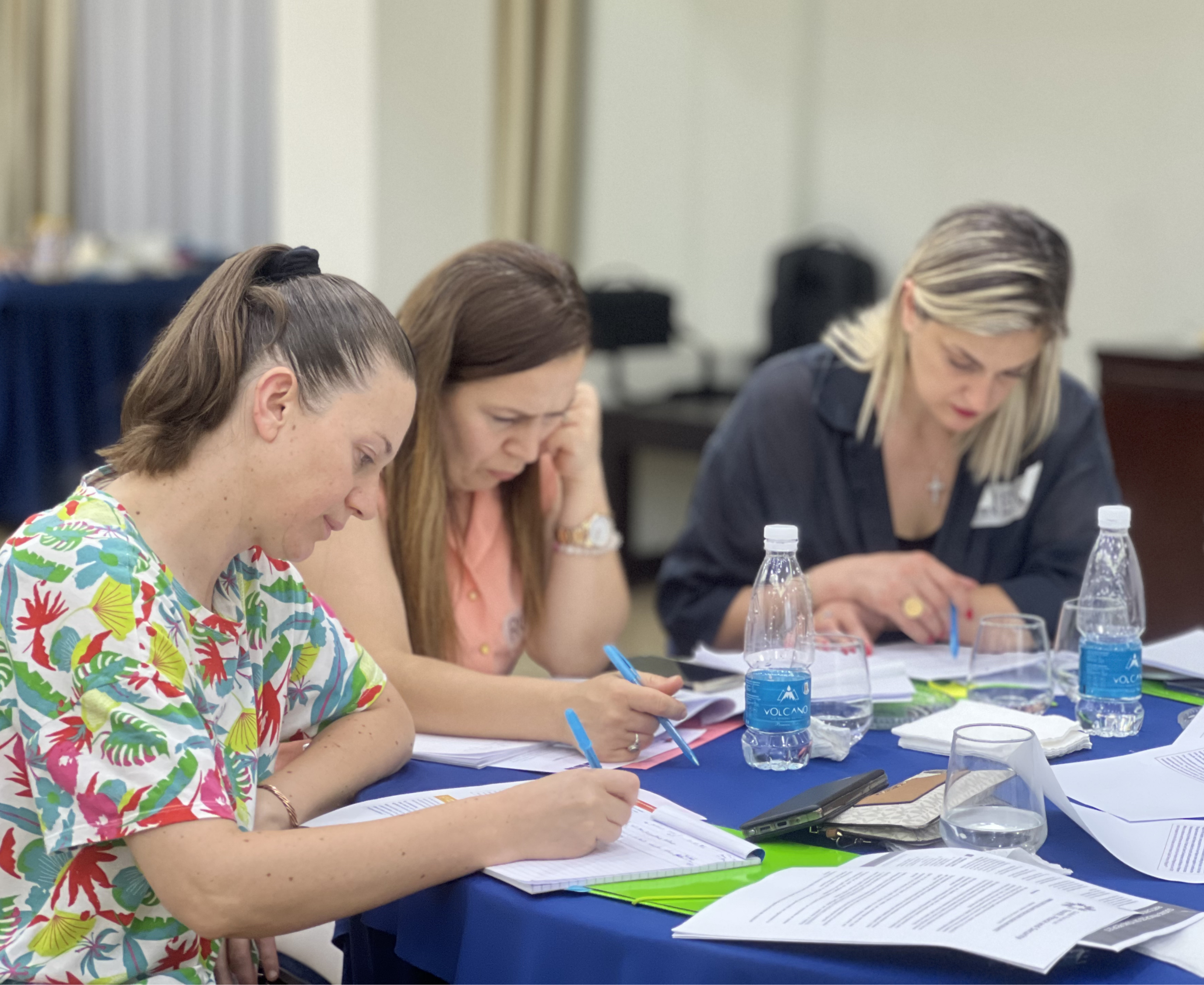
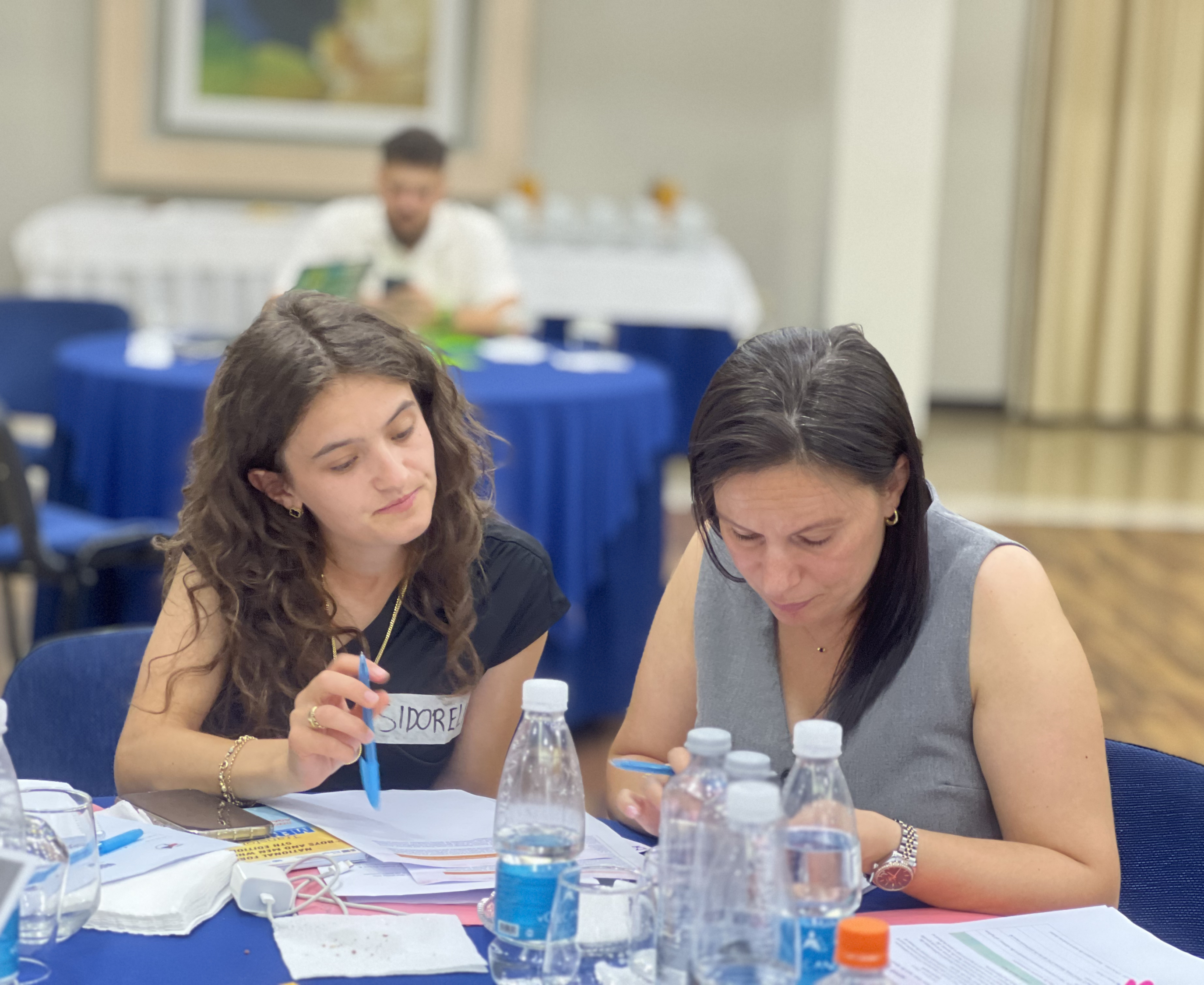
In July 2025, I had the opportunity to facilitate a National Training on the Youth, Peace and Security (YPS) Agenda with municipal youth workers from across Albania – implemented by Youth Voice Network of Organisations (YVNO) and supported by UNOY*. The training gathered over 15 participants from all corners of the country, creating a vibrant space for exchange, learning, and reflection on how YPS can take root at the local level.
Before the training, YVNO Executive Director Andi Rabiaj told me this moment was crucial for youth work in Albania. While YPS efforts in Albania were expanding, the people doing the actual work on the ground hadn’t been properly consulted. This made the training both timely and necessary.
Walking into the room that first morning reminded me why local youth work matters. Around the table sat youth workers from different corners of the country, each carrying different challenges but all asking the same question: “how do we make peace meaningful for young people in our communities?”
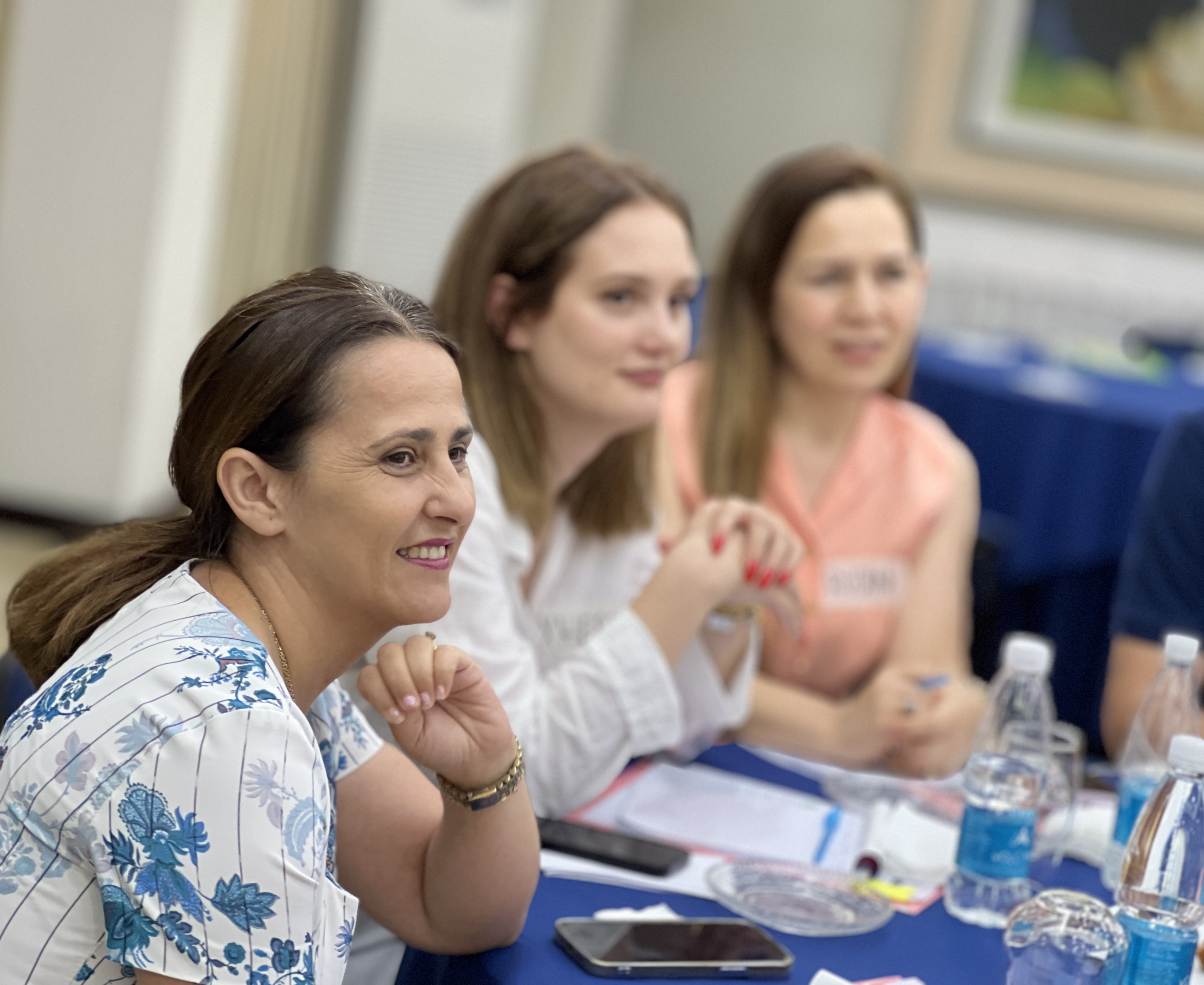
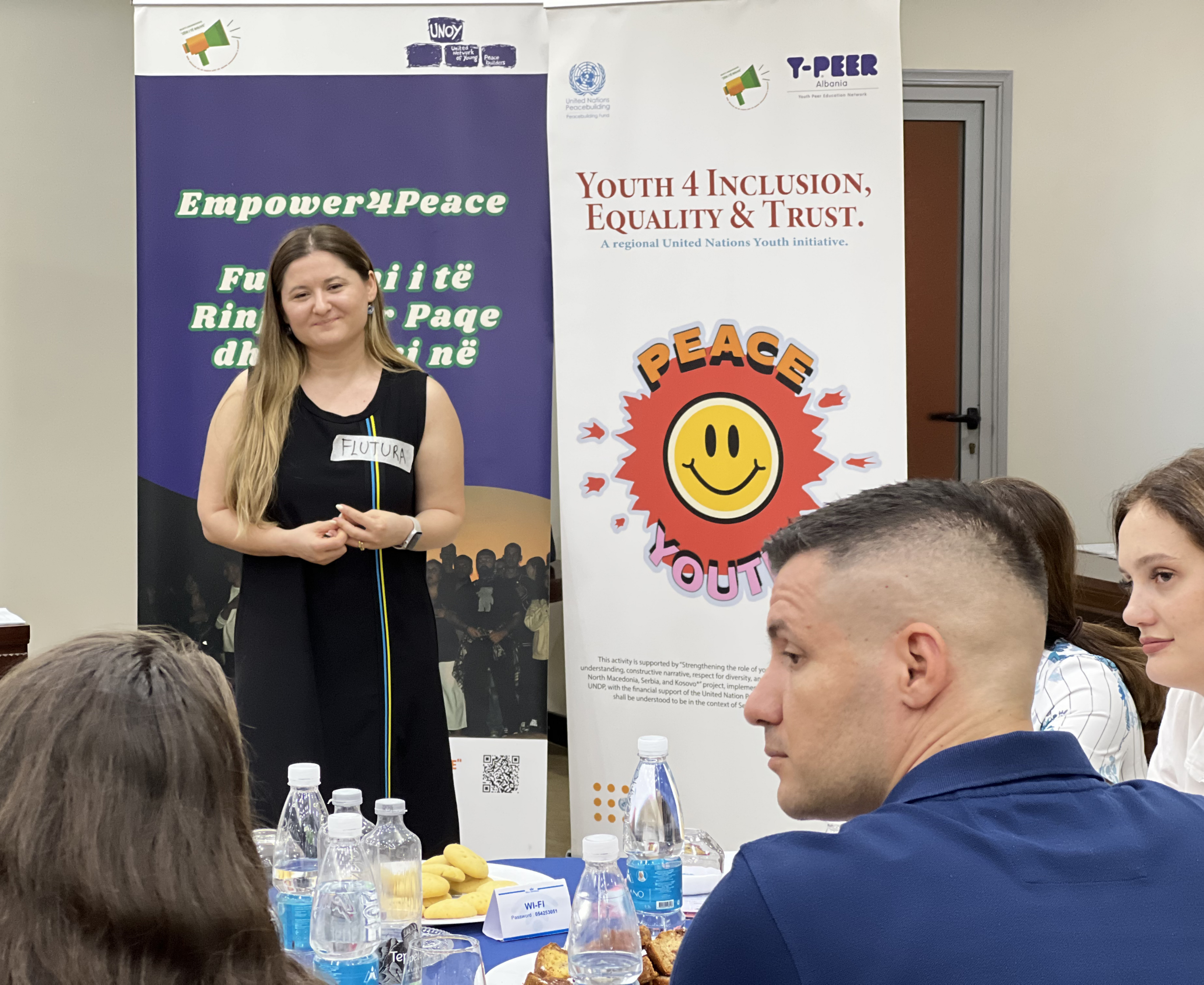
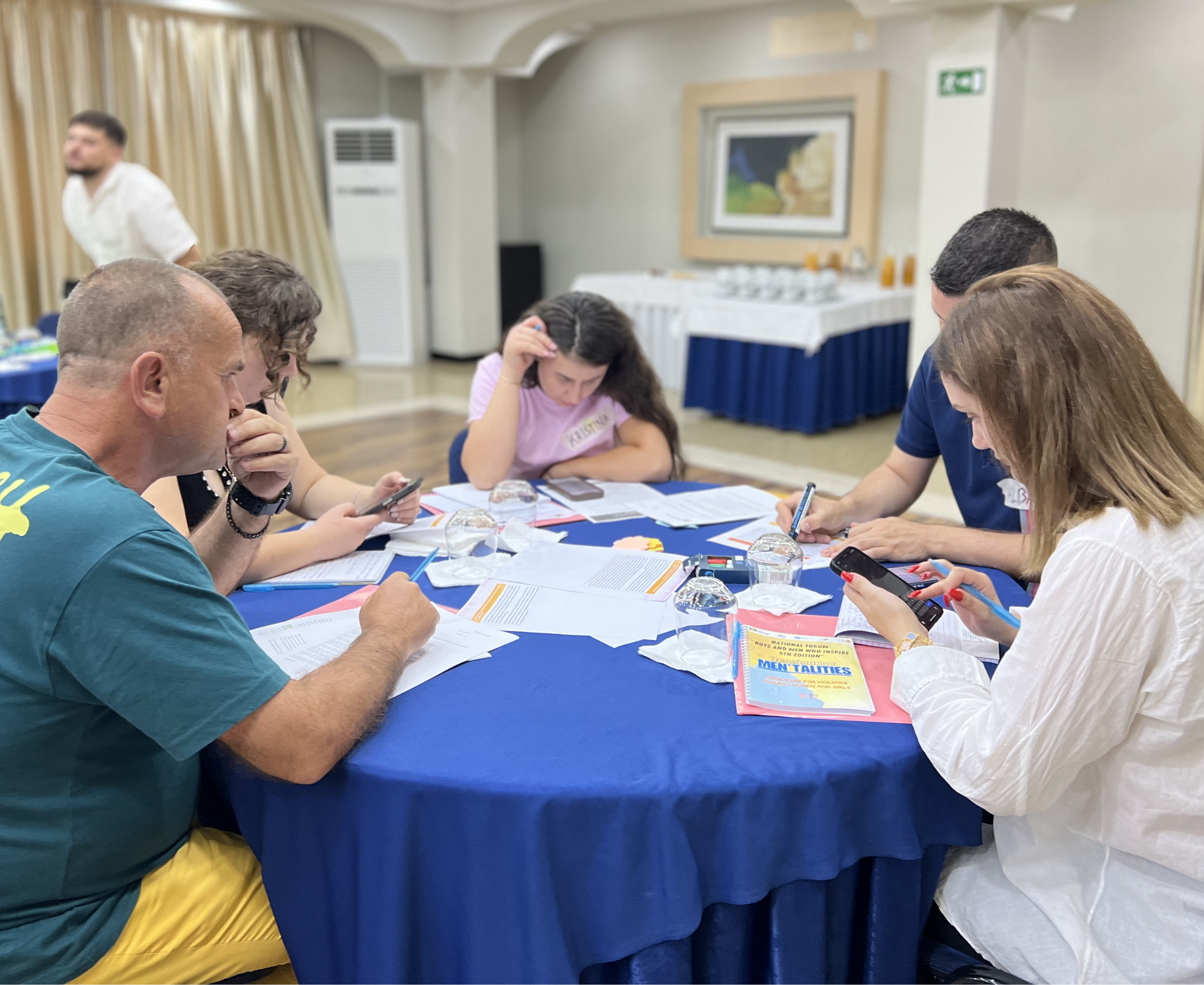
We explored what YPS looks like in everyday practice – from vision-building exercises to localisation and roadmap development, where participants translated their visions into concrete, actionable steps. Each municipality brought unique perspectives, yet a shared message emerged: the need for stronger cooperation, dedicated youth budgeting, and institutional support for youth-led peacebuilding.
Throughout the discussions, participants consistently highlighted that motivation is not the challenge. Youth workers are deeply committed to promoting participation, inclusion, and dialogue in their communities. What is often missing, however, is sustainable financial and structural backing at the municipal level. Institutional youth budgeting is crucial, ensuring that every municipality allocates specific funds for youth programmes — especially those linked to YPS priorities such as social entrepreneurship, mental health, non-formal education, and intercultural dialogue.
Several participants shared concrete, localised concerns: “How can I encourage young people to contribute to their communities when, despite being so skilled, active, and highly capable of leading social enterprises or start-up initiatives, there are no dedicated funds to support their ideas?” This resonated across municipalities like Peqin, Mat, and Vorë: without stable funding, youth-led solutions stay informal and short-term.
The open exchange between municipalities proved especially valuable. Those coming from smaller or remote areas expressed how eye-opening it was to hear about YPS practices and youth engagement models from other cities, and how much they needed such horizontal learning spaces. It was clear that empowerment and opportunities enables people to grow and unlocks the aspiration to connect with their core values. After sharing opportunities where they can be included, training participants immediately opened up, expressed willingness, and a strong belief that they can and will provide more space to their youth.
“It is inspiring to see that other cities face similar challenges and that solutions can start small. As we learned in this training, it’s better to improve 100 YPS needs by 1% each day rather than taking one step at 100% and losing sustainability.” – Training Participant
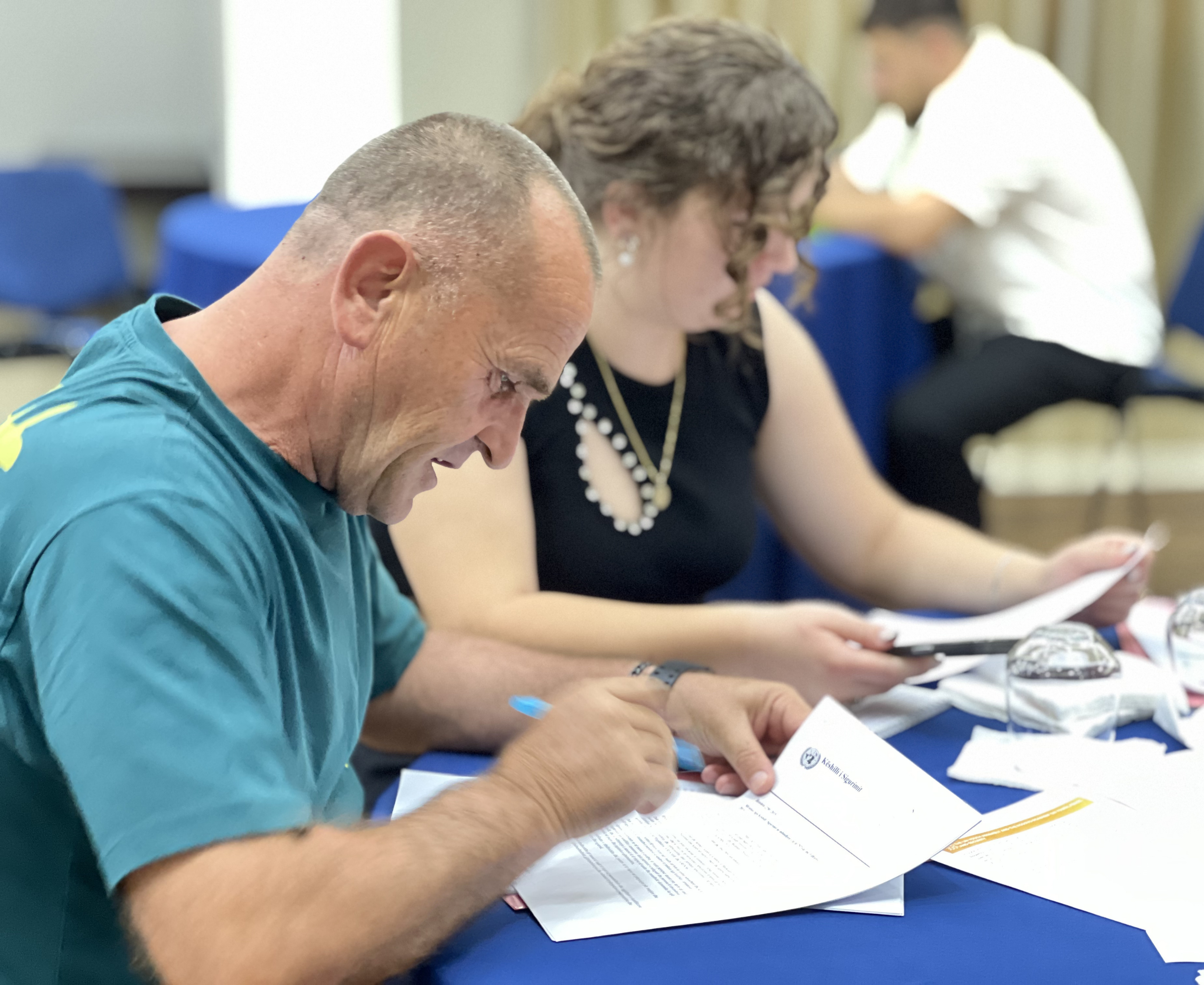
“It’s amazing to be in a safe space like this, where knowledge is exchanged among colleagues from municipalities that are more active and experienced. I’m fascinated and look forward to seeing how we can advance YPS locally, just as other countries have.” – Training Participant
Closing Reflection
This training reaffirmed that local youth workers are key drivers of the YPS Agenda. I often say that peace does not start in big conferences where policies, roadmaps, and politics are discussed. It starts in spaces where youth workers face realities firsthand, understand local needs deeply, and often already hold the answers, yet have rarely been given the space to articulate them in environments that are both safe and brave enough to allow openness, trust, and honesty.
During the training, I witnessed how deeply committed youth workers are to building peaceful communities, even when resources are limited. What inspired me most was realizing that the solutions are already there. My role was not to bring answers, but to create the conditions where knowledge, lived experience, and collective power could surface — and, importantly, be carried beyond the training room to higher levels of decision-making.
As Albania continues to advance its YPS efforts in the years ahead, I hope to see local youth workers more consistently invited to decision-making tables — not as observers, but as partners. Their experience, insight, and commitment are not merely an added value; they are essential to meaningful youth empowerment and lasting peace.
*This training was funded through the Financial Support for UNOY Members (FSUM) programme, which supports local youth-led initiatives through accessible mini-grants.
About the author:
Flutura Brakaj is a youth worker and non-formal education trainer with extensive experience in youth participation, peacebuilding, and intercultural learning in the Western Balkans. For the past six years, she has worked with the Regional Youth Cooperation Office (RYCO) in Albania. Among other thematic areas, she facilitates national and regional trainings on the YPS Agenda, supporting youth and youth workers in translating policy frameworks into meaningful local actions.