An Interview with Grace Orao: Navigating Feminism and Intersectional Identity in Kenya
Grace Orao, a young feminist leader and the Regional Coordinator for the ESA region for UNOY, exemplifies resilience in the face of cultural, societal, and institutional barriers. Her journey reveals the complexities of advocating for feminist values in Kenya, where “feminism” often carries a negative connotation. This case study explores Grace’s experiences, from moments of rejection to breakthroughs, offering insight into how she navigates the intersection of feminism, race, youth, and cultural sensitivity.
Journey into Feminism: A Red-Lipped Awakening
Grace Orao’s journey into feminism began at 16, although she didn’t initially recognize it as such. Volunteering in government-assisted roles, she naturally found herself drawn to issues affecting women, advocating for them without even realizing it. By 21, she was deeply immersed in research work, gravitating toward the lives of marginalized women in underserved communities.
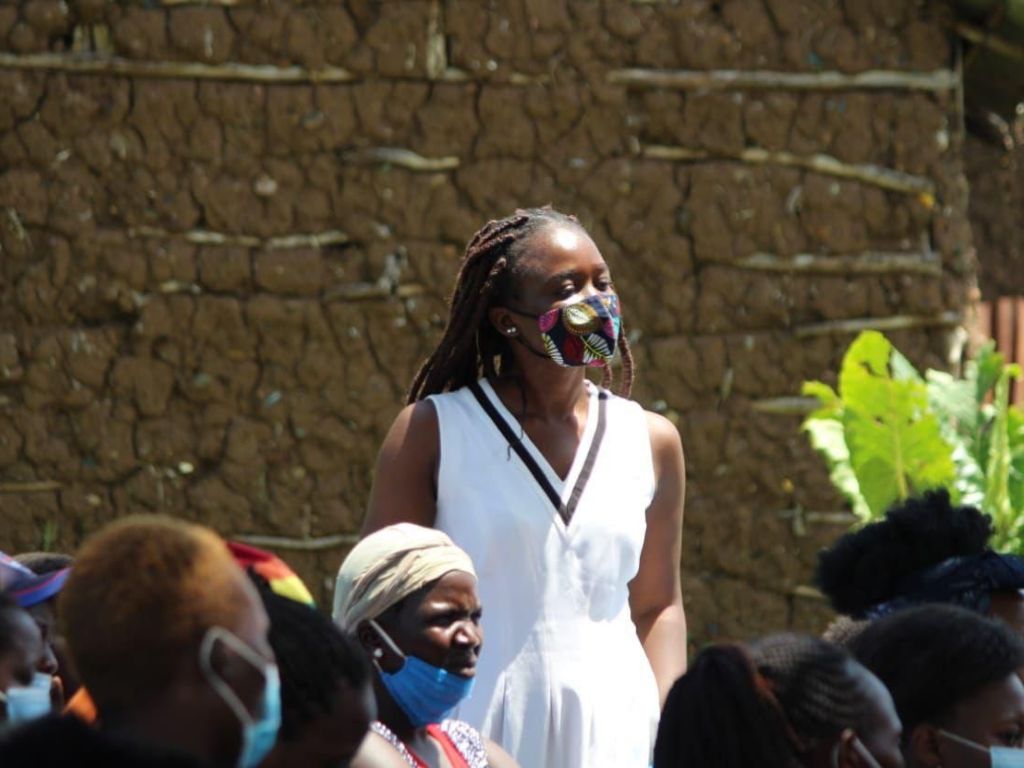
It was a research trip to Northern Kenya that would change the course of her feminist awakening. The region, steeped in tradition, challenged her sense of identity in ways she hadn’t anticipated. Grace arrived in a small, conservative town, prepared to facilitate a discussion on family planning—a topic seldom broached with men, let alone by a young woman. She wore a green shirt and black pants paired with red lipstick—a marker of her individuality and confidence.
As she entered the gathering, she was struck by the demographics of her audience: older men, aged 50 to 60, outnumbered the few women present. Her youthful presence stood out, and the reaction was immediate. Snickers echoed through the room, followed by derisive remarks: “Who did you kill to get the color on your lips?” and “You are not fit to even stand before us.” The sting of their words cut through her confidence, leaving her flustered and embarrassed. Determined to salvage the moment, Grace stepped away, wiped off her lipstick and wrapped a piece of fabric around herself before returning. This transformation was met with approval. One man remarked, “Now you look like someone we can identify with. Now you can talk.” While the session proceeded successfully, Grace left with a mix of emotions—humiliation, self-doubt, and the painful realisation of how cultural norms could stifle self-expression.
That day marked a turning point. While she successfully led the session, she left with a mix of emotions—humiliation, self-doubt, and the painful realization of how cultural norms could undermine self-expression. Reflecting on the experience later, Grace shared:
I felt crushed. Here I was, a young woman eager to connect and make a difference, yet my appearance became a barrier. It taught me that I needed to navigate these spaces with a deeper understanding of cultural norms.
Since that day, Grace has refrained from wearing bold lipstick—a small yet symbolic adjustment to a world that often demands conformity. Though this act may seem trivial, it represents the weight of navigating identity, culture, and advocacy in a society where feminism is often misunderstood.
Cultural Shocks and Learning
Another defining moment occurred during fieldwork with a village elder. While visiting a home where a woman was breastfeeding her child, Grace observed the elder completely ignore the woman, repeatedly asking, “Who is the owner here?” Despite the woman’s presence and her invitation to the elder to enter the home, he dismissed both her and the child, starkly illustrating the entrenched invisibility of women within patriarchal structures.
“This was humbling and disheartening,” Grace reflected. “It showed me the systemic disregard for women in these spaces and made me question how meaningful change could occur when half the population wasn’t even acknowledged.” These experiences highlighted the importance of engaging communities with empathy and cultural awareness. Grace began to prioritise understanding local norms while finding subtle ways to challenge them.
Feminism in Urban Spaces
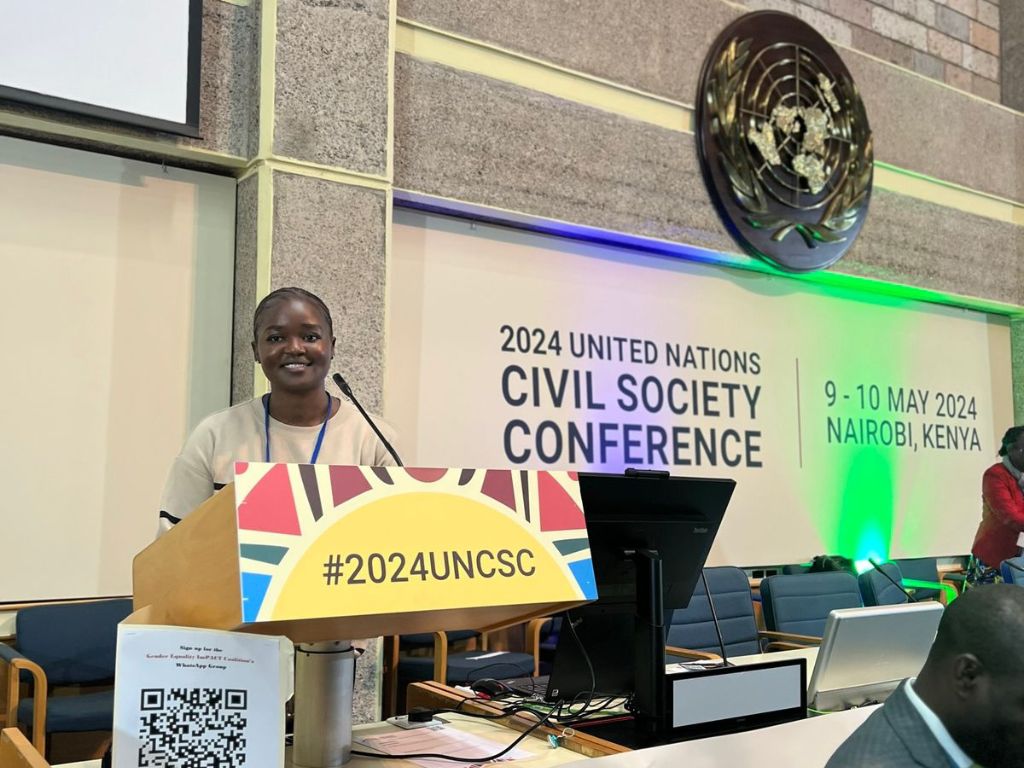
Grace’s experiences in urban settings, such as Nairobi, were no less challenging. At the 2019 UN Regional Civil Society Gathering, she faced age-based discrimination. Despite being there to contribute to Women, Peace, and Security (WPS) discussions, a security guard redirected her to the youth station, stating, “The women there are more established and technical; you won’t fit in.” Though initially frustrated, Grace reflected on this as an example of the intersectional barriers young feminists face:
It was a stark reminder that as a young, black feminist, I have to navigate multiple layers of identity. Sometimes, you have to choose which ‘hat’ to wear, but I’ve learned to embrace them all.
The Cost of Advocacy
The personal toll of being a feminist advocate in Kenya is significant. Grace shared how the stigma of feminism—viewed as “angry,” “masculine,” or “too Western”—isolates many women. These experiences, combined with systemic barriers, can erode one’s confidence and sense of self-worth. Lipstick, once a symbol of self-expression, became a trigger for Grace after her rejection in Northern Kenya. She reflects,
I stopped wearing bright colours on my lips. It reminded me of that humiliation, though I still love seeing it on others. It’s a small thing, but it shows how deeply these experiences affect us.
Yet, Grace has channelled these struggles into strength. Therapy, mentorship, and a deep commitment to her feminist mission have helped her transform rejection into resilience. As she continues to navigate the precarious space, she notes:
Rejection does not define me. I’ve learned to call out injustice politely but firmly. It’s about standing your ground while inviting others to reflect.
Lessons from Grace’s Journey
Grace’s story highlights several strategies for engaging with non-feminist actors:
- Cultural Sensitivity: Understanding the cultural context is crucial. Grace’s initial missteps taught her to research local norms and adapt her approach to foster trust and dialogue.
- Empathy and Active Listening: Rather than imposing feminist ideals, Grace emphasises finding common ground and tailoring her approach to the audience’s concerns.
- Resilience and Adaptability: Advocacy often requires enduring rejection and misunderstanding. Grace’s ability to learn from these experiences and continue her work is a testament to her perseverance.
- Intersectionality: Grace’s identity as a young, black feminist demands that she navigate multiple layers of bias. Her story underscores the importance of recognizing and addressing these intersections in advocacy.
Grace concludes the interview with some insightful advice for young feminists engaging with non-feminist actors.
Recommendations for Young Feminists:
- Build Alliances: Partner with like-minded individuals and organizations to create a support system.
- Invest in Mental Well-being: Advocacy can be mentally taxing. Therapy and self-care are essential.
- Know Your Values: Understand your core principles and decide which battles are worth fighting.
- Call Out Injustice Strategically: Use a respectful yet firm approach to address harmful behaviours or biases.
- Advocate for Locally Led Solutions: Feminist approaches must be community-driven and culturally relevant.
Grace Orao’s journey as a young feminist leader offers invaluable lessons for navigating the complexities of advocacy in non-feminist spaces. Her experiences illustrate the power of cultural sensitivity, resilience, and intersectionality in creating meaningful change. As young people engage with non-feminist actors, Grace’s story serves as a reminder that advocacy is both a personal and collective journey, requiring empathy, courage, and an unwavering commitment to justice.
This blog article was written by Kavipriya Thiruselvan, former Partnerships Officer at UNOY