International Women’s Day 2024: Gender Transformative Approaches in peacebuilding
Members of the United Network of Young Peacebuilders (UNOY) share their work and knowledge on gender transformative peacebuilding for International Women’s Day!
This International Women’s Day, we want to celebrate young women’s and gender nonconforming people’s inclusion in peacebuilding and highlight their gender transformative approaches (GTA) in their youth-led peacebuilding organisations.
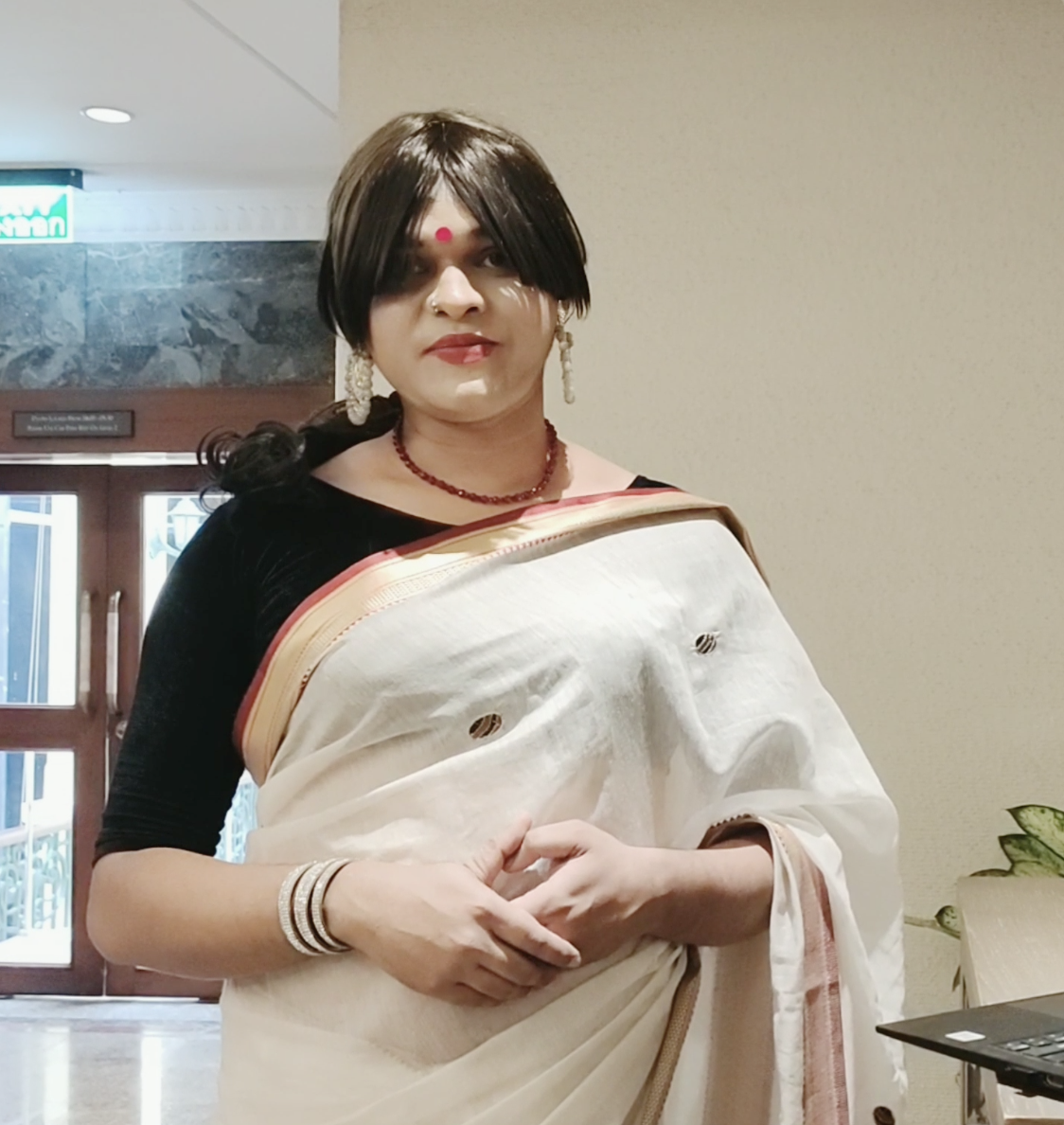
“Let’s celebrate the resilience, strength, and achievement of women worldwide. Today, we honour the champions who paved the way for progress, and the importance of the next generation to break barriers. Together, let’s strive for gender equality, because when women rise, society thrives.”
– Manisha Meem Nipun, Pathchola Foundation
Peace and conflict – just as all other aspects of society – are gendered and lie in the intersection of different lived experiences based on race, age, disability, sexuality, class, etc. The historical exclusion of women and gender nonconforming people from peace processes neglects to acknowledge these diverse experiences, leading to one-dimensional and incomplete conceptions of peace. The acknowledgement of these issues and missing perspectives in and of itself is not enough. Sustainable peace can only be achieved by transforming our work and tackling the root causes of gender based violence and injustice.
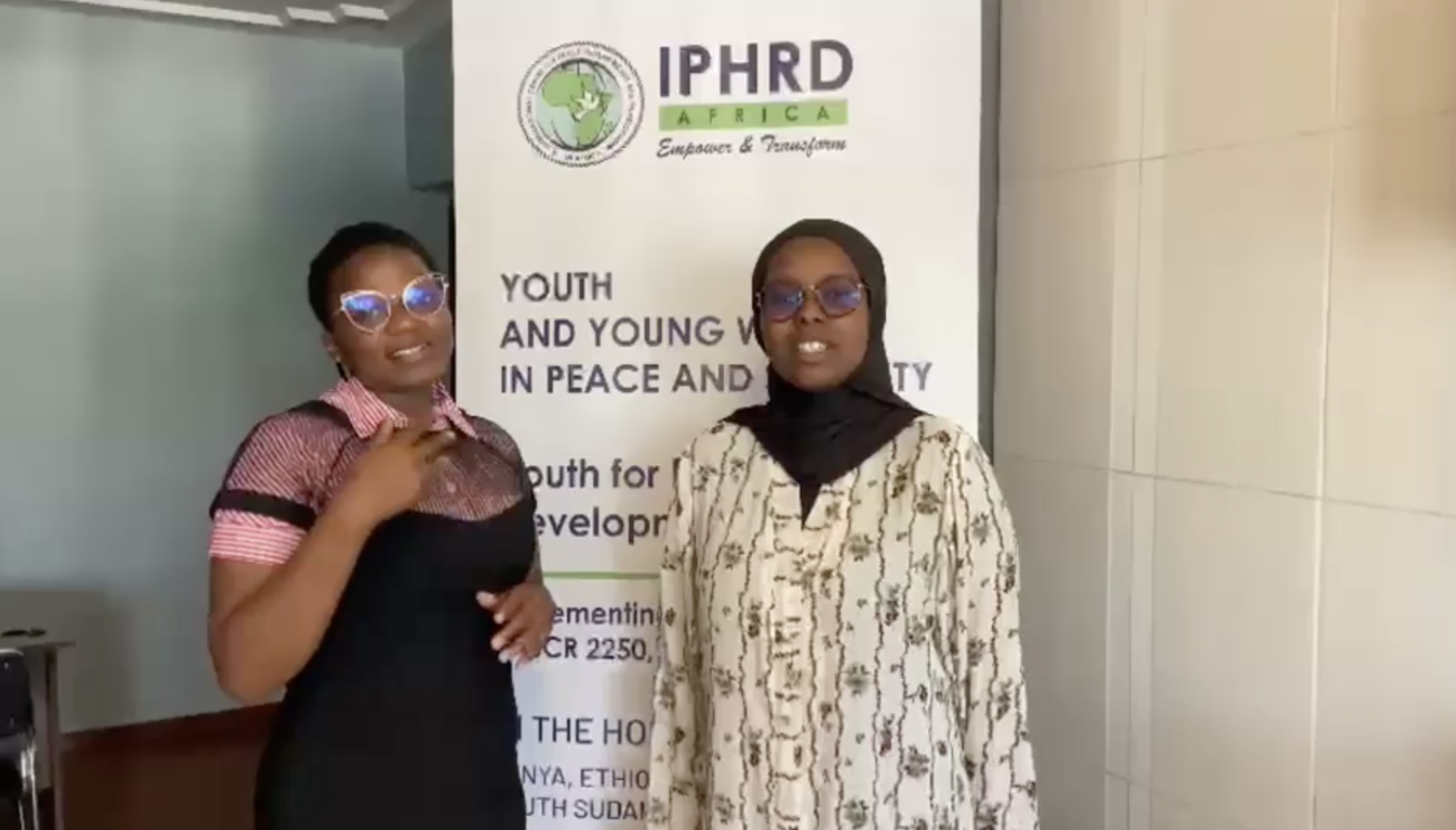
Susan Wamalwa and Amina Yusuf from International Centre for Peace, Human Rights and Development in Africa describe their approach to peacebuilding by using gender analysis and focusing on intersectionality.
“Our work in gender in peacebuilding is through a gender relational approach [which focuses on] those whose attitudes and practices most need to be changed. In doing so it allows policies and interventions to be more precisely targeted, more effectively implemented and evaluated. We have been doing this through the young women mediation program, initially only focusing on young women, however, we introduced gender champions to be part of the trainings and conversations on young womens engagement in peace processes, in the hope that we would be able to understand and gain knowledge so that when they go back to their male circles, they are able to change perceptions and narratives of other young men.”
GENDER TRANSFORMATIVE APPROACHES
GTA in peacebuilding aims to fully integrate gender issues into all aspects of program and policy development, implementation, and evaluation. This approach moves beyond the internal work of organisations and extends to its external social impacts.

Natalia Pelaez Perez, from Fundación LATIR, Equidad en el Mundo, highlights her organisation’s work on ensuring transformative approaches to peacebuilding:
“Gender equity must be achieved by working in a comprehensive manner with all actors of civil society. In our peace education program with rural educational institutions, we put the issue of gender in the conversation, and we question together with students, teachers & caregivers, which are the best alternatives to build a more equitable and caring society that recognizes what all actors contribute to peacebuilding.”
GENDER TOOLKIT
When applying GTA in youth organisations it is ideal to adopt a holistic approach, but there can be a number of obstacles to this: time, resources, but also cultural and traditional barriers. It is important to keep in mind that gender transformation is a process and a practice that accelerates change, but it also requires time and contextual adaptation. It can be challenging to know where to start and forcing a one-size-fits all approach can be a hindrance to achieving real change.
To try and be part of the solution, in 2022, UNOY published a Gender Toolkit to provide a practical guide to Gender Transformative Approaches for youth peace organisations. This toolkit builds on the experience of UNOY’s work on gender, both from former and current staff, and member organisations. By drawing on a multitude of experiences and contexts, it aims to allow members to draw from the guide what they find most relevant and that fits their lived realities.
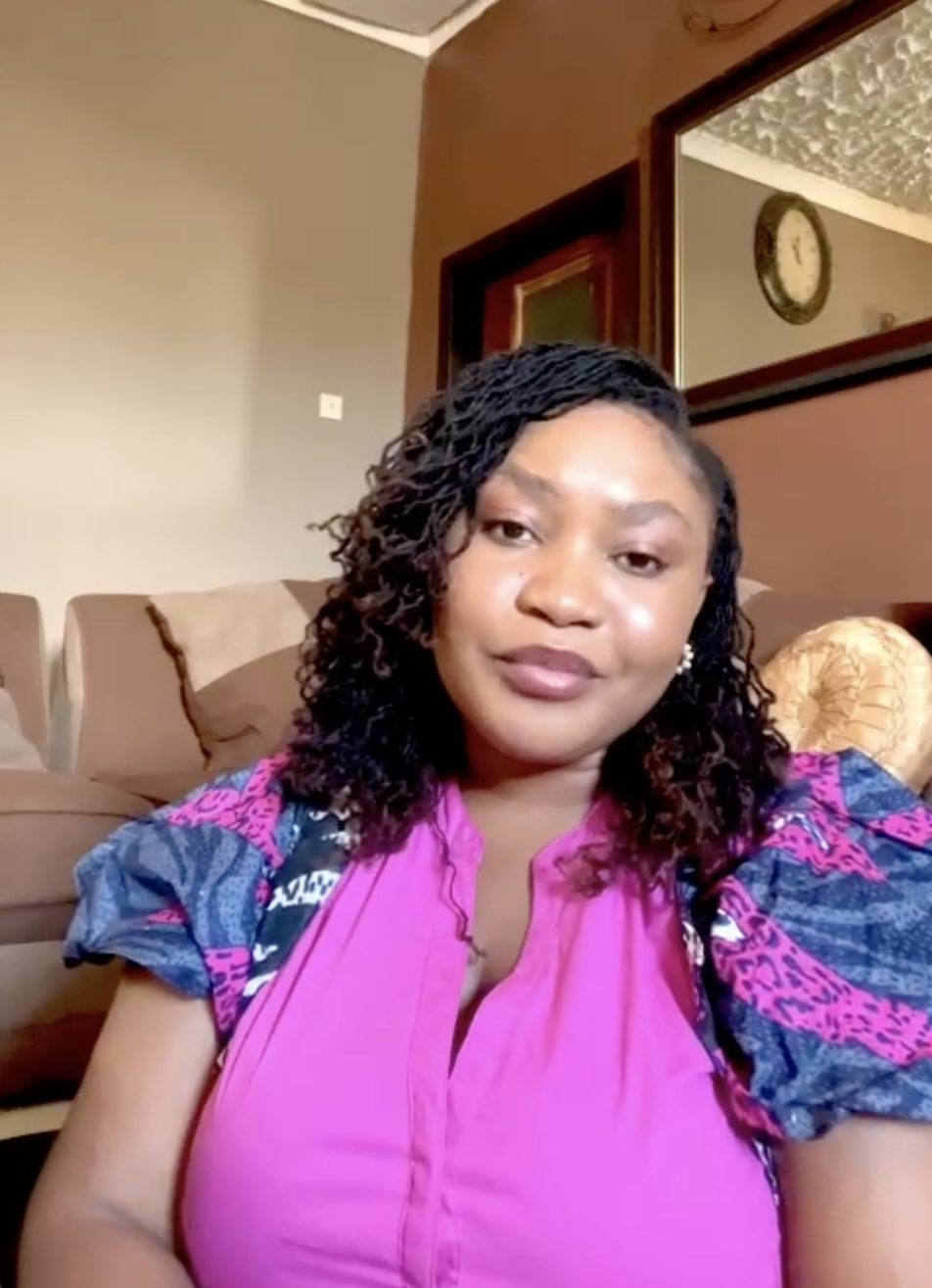
Memory Tapela Banda, from UNOY member Zambian Albinism Matters Organisation shared her experiences with the toolkit and how it helped her organisation in their peacebuilding work:
“I believe that gender equality is a prerequisite for sustainable peace and that it must be actively addressed in all peacebuilding efforts. […] I have used the Gender Toolkit to develop sensitive trainings, to conduct gender audits for projects and to ensure that our policies and practices are inclusive and equitable. The toolkit also has helped me to identify and address gender-based violence which is an important issue,in my community and in the communities where I work.”
TRUST THE PROCESS
It’s good to imagine GTA as it moves along the ‘Gender Equity Continuum’ through the organisation’s work, from Gender Discriminatory to Gender Transformative. Even within an organisation, different areas may be at different levels of progress.
UNOY’s approach is to use “Appreciative Inquiry” as a methodology for introducing and eventually integrating GTA. This is a great way for organisations to focus on their assets, strengths and opportunities and shows that wherever they are is a great starting point for Gender Transformative Approaches.
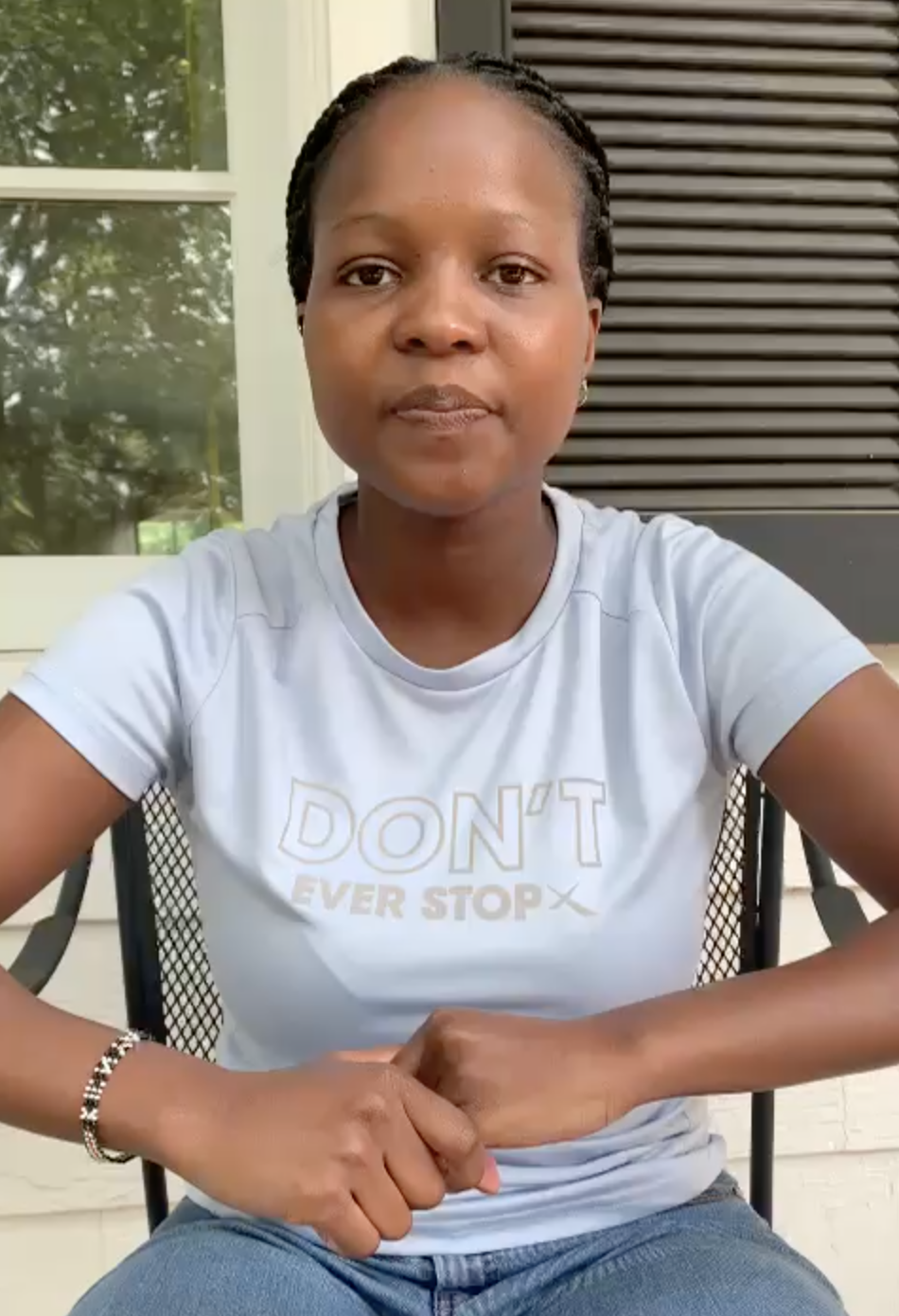
Dineo Maphasha shares her experiences as a participant from the Forging Ubuntu project facilitated by Service Civil International:
‘Forging Ubuntu’ was a project that took place in South Africa towards the end of 2022. We partook in discussions involving gender and permaculture. I facilitated a session where we included legislative theatre into gender, to show how gender oppression can be in a workcamp situation. […] We included both genders, male and female, to show them that gardening is not just a ‘male’s job’ or ‘female’s job’.
If you would like to learn more about Gender Transformative Approaches, or organise your own capacity development, you can find the Gender Toolkit in English, in French and in Spanish.
Happy International Women’s Day!
Written by Network Officer Viktória Balogh