Positive Peace Stories: Democracy and Peace in Nigeria – where youth stands
The author, Bukar Atiyaye is a humanitarian, peacebuilder and a community development activist and member of the African Youth Advocacy Team (A-YAT). He has more than 6 years cognate experience in the nonprofit sector and currently works as the head of youth programs at Youth Initiative Against Terrorism (YIAT).
introduction
Nigeria, the most populous country in Africa, has seen its fair share of political turbulence, ethnic tensions, and economic challenges. But at the centre of these issues lies the consistent pulse of the country’s vibrant youth. These young people hold the key to promoting peace and strengthening democracy in the country. With about 70% of Nigeria’s population being under the age of 30, it is important to consider the role of youth inclusion in shaping Nigeria’s political and social landscape for peace, justice, and stability.
Democracy and peace are essential pillars for any nation’s progress and development, and Nigeria is no exception, as the country also plays a critical role in the stability and prosperity of the African continent. However, like many nations, it faces challenges in consolidating democracy and maintaining peace. Youth inclusion is of paramount importance in this context, as young people are both the future of the country and a key demographic in shaping its present.
JOURNEY OF DEMOCRACY
Nigeria has made significant strides in its democratic journey, transitioning from military rule to a multi-party democratic system in 1999. Since gaining independence in 1960, the nation has experienced a series of military coups interspersed with brief spells of democratic rule. A stable democratic government emerged only in 1999, following the end of military dictatorship. Since then, Nigeria has conducted several elections at various levels, which demonstrated progress towards institutionalising democratic principles. However, challenges such as electoral irregularities, corruption, and insecurity persist in some regions and they can undermine the credibility and effectiveness of democratic institutions.
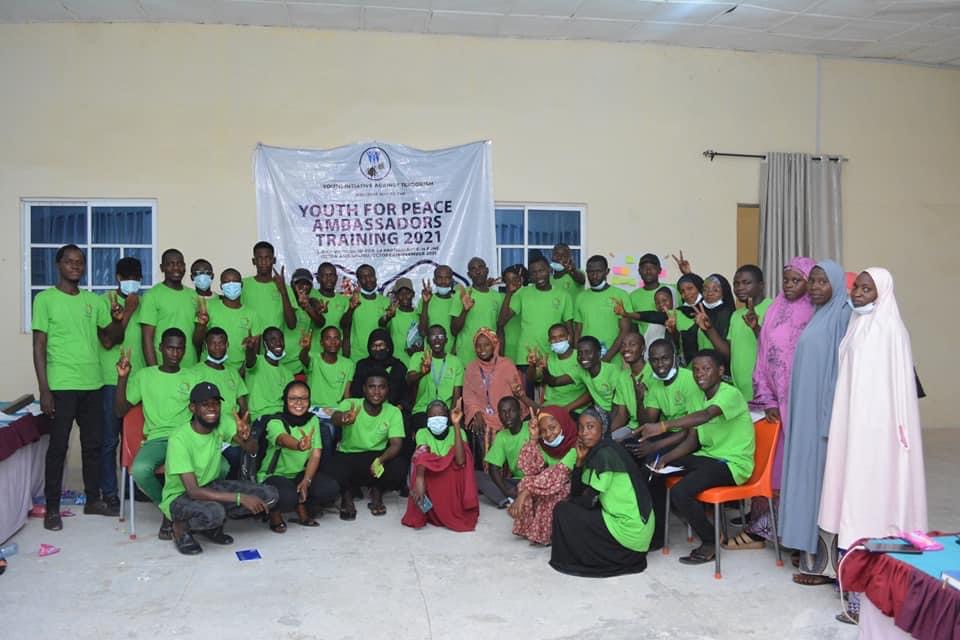
peace in the nation
Peace in Nigeria is more than the absence of conflict – it is the presence of justice, equitable resource distribution, and mutual respect among its many diverse groups. Democracy, with its tenets of representation, human rights, and rule of law, offers a pathway to achieving this broader sense of peace. A functional democracy can mediate conflicts and create an environment where every Nigerian feels heard and protected.
youth in nigeria
Youth has often been at the centre of Nigeria’s democratic movements. From the #EndSARS protests against police brutality to campaigns for educational reform, young Nigerians have shown an unwavering commitment to a more just and democratic society which will undoubtedly bring peace, justice, stability and development.
However, these movements underscore a more profound issue: a significant portion of the youth feels disconnected from the political processes and decision-making structures in the country. This exclusion breeds discontent and, at times, has pushed young people to avenues outside the conventional political space to air their grievances.
youth inclusion
Youth inclusion acts as a bridge between democracy and peacebuilding in Nigeria. It is a catalyst for positive change, breaking down barriers, fostering dialogue, and nurturing a sense of ownership among the younger generation.
The paramount importance of youth inclusion in Nigeria transcends the realms of democracy and extends into the critical domain of peacebuilding. The youth, constituting a substantial proportion of the population, hold within them the potential for transformative change. Their voices, perspectives, and active participation are instrumental in fostering both democracy and peace in a nation marked by diversity and challenges.
In the context of democracy, youth inclusion brings forth a refreshing dynamism and a unique set of experiences that can enrich the political landscape. The infusion of youthful vigour into governance and policy-making infuses fresh ideas and innovative solutions into the system. These perspectives often transcend traditional political ideologies, offering a more holistic approach to addressing complex issues. Moreover, the inclusion of young voices ensures the longevity and stability of democratic institutions. When young people actively participate and have faith in the democratic process, they become the custodians of its values, defending and nurturing it over time.
Crucially, youth inclusion has a profound impact on peacebuilding. Peace is not merely the absence of conflict but the presence of social justice, equal opportunity, and mutual understanding among diverse groups. When young people are marginalised, they may become disillusioned and vulnerable to radicalisation, thereby posing a threat to peace and stability. In contrast, an inclusive approach that engages youth in peacebuilding efforts can be a powerful antidote to extremism.
By involving young people in decision-making processes, we create an environment where their grievances are addressed, their aspirations acknowledged, and their talents harnessed for the greater good. This sense of belonging and responsibility not only strengthens democracy but also acts as a stabilising force in society. Youth-led initiatives, community dialogues, and grassroots movements are often at the forefront of efforts to bridge divides, promote reconciliation, and build peace at the local level.
In essence, youth inclusion acts as a bridge between democracy and peacebuilding in Nigeria. It is a catalyst for positive change, breaking down barriers, fostering dialogue, and nurturing a sense of ownership among the younger generation. When young people are not only allowed but actively encouraged to participate in shaping their nation’s destiny, they become stakeholders in the democratic and peacebuilding processes.
The paramount importance of youth inclusion in Nigeria cannot be overstated. It is a cornerstone of democracy, injecting vitality and fresh perspectives into governance. Simultaneously, it serves as a linchpin in peace-building efforts, offering a counter-narrative to extremism and playing a pivotal role in reconciliation and conflict resolution. To harness the full potential of Nigeria’s youth is to pave the way for a brighter, more democratic, and peaceful future for the nation.
By involving young people in decision-making processes, we create an environment where their grievances are addressed, their aspirations acknowledged, and their talents harnessed for the greater good. This sense of belonging and responsibility not only strengthens democracy but also acts as a stabilising force in society.

HOW YOUTH CAN BE INVOLVED IN NIGERIA
The United Nations Security Council Resolution 2250, which addresses the Youth, Peace, and Security agenda, serves as a valuable framework for guiding strategic ways to involve young people in decision-making processes, both in the realms of democracy and peacebuilding. To harness the energy and potential of youth, Nigeria should consider several key recommendations:
1. Establish Youth Advisory Councils: Creating formal Youth Advisory Councils at the national, regional, and local levels can provide a structured platform for young people to actively engage with policymakers. These councils should be composed of diverse youth representatives who can provide insights, recommendations, and feedback on key issues related to democracy, peacebuilding, and conflict resolution.
2. Mentorship Programs: Implement mentorship programs that pair experienced political and peacebuilding leaders with young aspirants. This initiative would help bridge the knowledge gap and build leadership skills among young people. The mentoring process can empower young individuals to participate effectively in decision-making processes.
3. Youth Quotas in Political Representation: Emulate the success of gender quotas by introducing youth quotas in political representation. This would ensure a certain percentage of seats in legislative bodies are reserved for young people. Such quotas can be a powerful tool to promote youth inclusion and provide them with a direct stake in the democratic process.
4. Youth-Focused Civic Education: Revamp the educational curriculum to include comprehensive civic education programs that emphasise the importance of active citizenship, democracy, and peace-building. Such programs should equip young people with the knowledge and skills necessary to engage in these processes effectively.
5. Support Youth-Led Initiatives: Allocate resources and support for youth-led initiatives, including community-based peacebuilding projects, conflict resolution training, and social cohesion programs. These initiatives often have a deep understanding of local dynamics and can contribute significantly to peacebuilding efforts at the grassroots level.
6. Digital Engagement Platforms: Leverage technology to create digital platforms where young people can participate in decision-making processes. These platforms could facilitate virtual town hall meetings, online surveys, and social media discussions, ensuring that youth voices are heard and considered.
7. Encourage Youth Involvement in Conflict Mediation: Actively involve young people in conflict mediation and resolution efforts. They can serve as mediators, negotiators, and peacekeepers in their communities, given their ability to relate to and understand the concerns of their peers.
8. Celebrate Youth Achievements: Recognise and celebrate the achievements and contributions of young leaders in both democracy and peacebuilding. Public acknowledgment can inspire others to actively participate and demonstrate that youth involvement is not only valued but celebrated.
Incorporating these strategic recommendations aligned with the principles of the UNSCR 2250 can pave the way for meaningful youth inclusion in decision-making processes in Nigeria. It not only empowers young people to play a crucial role in shaping the nation’s future but also strengthens Nigeria’s democracy and contributes to sustainable peace and stability.
Want to know more? Meet the African Youth Advocacy Team