Positive Peace Stories: Youth Participation in the Peace and Security Process in the Democratic Republic of the Congo
The author,
Melchade Kevin Samvura is the Coordinator at PEACE BUILDING TEAM which is local non-profit organisation located in Goma, Democratic Republic of Congo and is currently a member of UNOY’s African Youth Advocacy Team (A-YAT).
The Context
The Democratic Republic of the Congo (DRC) is a country located in Central Africa, a member of the Great Lakes region, and part of the East African Community (EAC) and Southern African Development Community (SADC). The long-term history of conflicts in the country has resulted in more than 5 million deaths, tens of thousands of women victims of sexual violence, and tens of thousands of children under 18 years old being recruited by militias to fight in the war. The peace process in eastern Congo continues to be fragile, with multiple armed groups operating throughout the region, terrorising civilians, and blocking the path to long-term peace. Additionally, millions of refugees fleeing their communities and exile due to hostilities and millions of war-affected orphans were identified. Although the conflict has left most of the people in eastern DRC traumatised and marginalised, the international community remains silent about these damages and human rights abuses.
DRC’s abundant mineral resources also cause its misfortune, as they attract worldwide multinational companies and fuel rebellions and militias. Most young people are exploited through the illegal exportation of natural resources and are forced to give up their dreams by working in mines or engaging in armed groups and illegal forces.
WAR AND CONFLICT DESTABILIsING THE PEACE PROCESSES IN THE EASTERN OF DRC
“This upsurge of violence has disrupted the normal functioning of state institutions and access to basic social services, which remain a real challenge for many affected families and communities, especially for young people.”
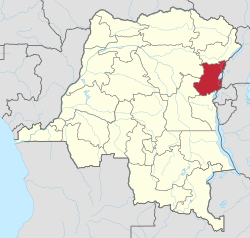
The Democratic Republic of the Congo (DRC) has 26 provinces, making it the second-largest country in Africa. The Province of North Kivu, which is one of the most affected provinces in the DRC, is experiencing an alarming humanitarian situation. The province has an area of 59,631 km2, with an estimated population of nearly 9 million inhabitants spread over six territories and three main cities. For more than two decades, the province has faced repeated wars and armed conflicts. No territory of the province is spared from the activism of national and foreign armed groups amidst the province of North-Kivu, with the consequences of the massive displacement of populations both inside and outside the provinces and the country.
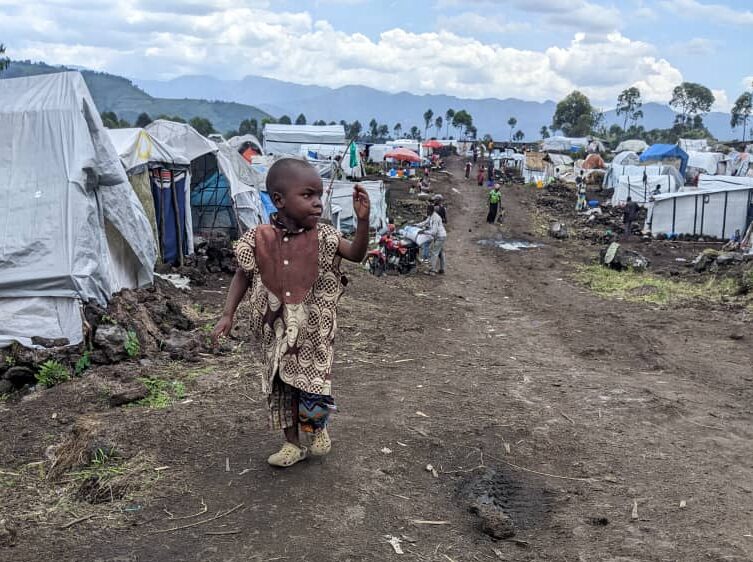
These displacements of populations constitute not only an obstacle to the consolidation of peace but also a brake on development and progress. To date, internally displaced persons are estimated at more than 1 million, of whom only 12% are in internally displaced peoples (IDPs) sites and 88% in host families and in the community. Alerts related to massive violations of youth and children’s rights are regularly sent by community organisations and NGOs, both national and international. In addition to these tensions, the resurgence of various epidemics, including ebola, measles, cholera, and COVID-19, has exacerbated the economic precariousness of communities and the vulnerability of young people and children living in North Kivu. The resurgent clashes between the Mouvement du 23 Mars (M23)¹ and the Armed Forces of the DRC (FARDC) since October 2022 have further worsened the security situation in Rutshuru, Nyiragongo, Masisi, and Goma territories, resulting in a massive displacement of populations to South-Kivu. This upsurge of violence has disrupted the normal functioning of state institutions and access to basic social services, which remain a real challenge for many affected families and communities, especially for young people.
I am writing this blog-post about the youth population in the DRC witnessing these challenges. Most young people are involved in politics, in entrepreneurship, in activism and others are committed to bring forward social change.
¹ UNSC M23: “The Mouvement Du 23 Mars (M23) is an armed group operating in the DRC that has been the recipient of arms and related materiel, including advice, training, and assistance related to military activities…” https://www.un.org/securitycouncil/sanctions/1533/materials/summaries/entity/m23
CURRENT ACHIEVEMENTS AND STEPS FORWARDS IN PEACEBUILDING EFFORTS
“Young people in the DRC are remarkably creative. They encompass the potential for change and have the will to contribute to the progress of the country. Through their work, young people’s efforts are increasingly recognised. “
Despite the country’s massive youth population, with at least half of its population composed of youth below the age of 35, young people are still left behind in almost every field of activity as a result of the country’s poor governance system. Yet, young people in the DRC are remarkably creative. They encompass the potential for change and have the will to contribute to the progress of the country. Through their work, young people’s efforts are increasingly recognised.
As a youth-led organisation, the Peace Building Team (PBT), intervenes in peacebuilding programs by ensuring the protection, education, and advocacy of youth affected by wars, homelessness, street children, young ex-combatants released from forced labor and armed groups, and young girls and boys marginalised and affected by wars.
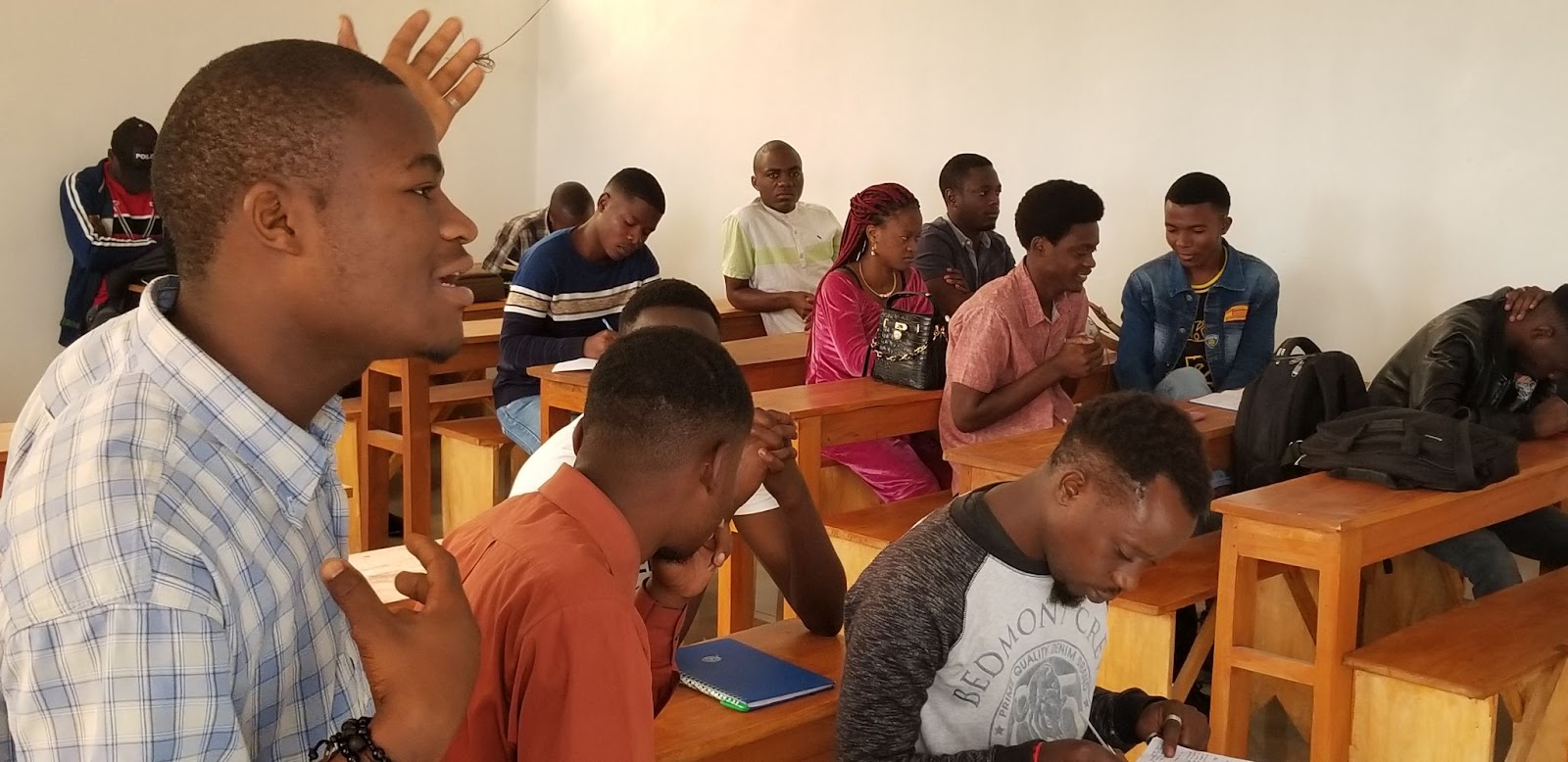
With more than six years of experience in the field of peacebuilding, we have been able to reach hundreds of young people with the support of various local and international partners. We have worked on the issue of access to education and employability for marginalised young people in North Kivu and supervised war orphans, street children, and young girls and boys on peacebuilding activities and in arts and crafts with a view to their socio-economic integration. At the same time, we are promoting quality education for war-affected children. Last year, we implemented the “Youth in the Peripheries” project in the DRC to build the evidence base on youth contributions to peace and security in the borderlands of the Great Lakes region.
We have conducted public awareness sessions on the localisation of the Youth, Peace and Security (YPS) agenda. Last year, the country adopted a national action plan on United Nations Security Council Resolution 2250 on YPS. The commitment to develop and localise the YPS agenda for the first time in the country’s history is a huge accomplishment. In order to further boost youth engagement and participation in the peace process and promote lasting peace in Eastern DRC, young people’s roles in positive peacebuilding must be recognised by government bodies and international stakeholders by meaningfully involving them in each step of peacebuilding processes.

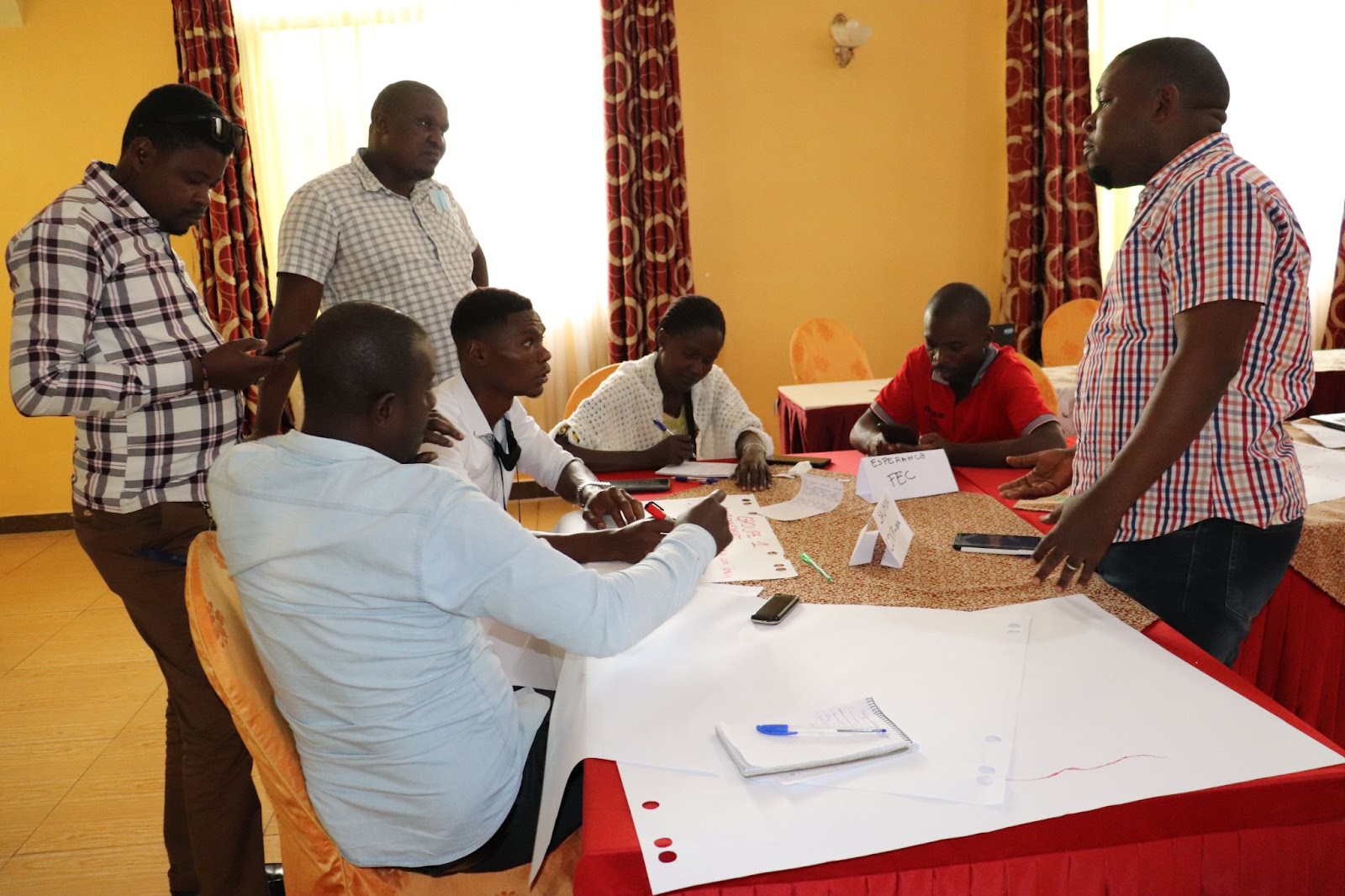
Want to know more? Meet the African Youth Advocacy Team