The Plight of Bhutanese Refugee Women in Nepal
The Himalayan kingdom of Bhutan often makes the headlines for being the “Happiest Country in the World.” With its emphasis on Gross National Happiness and environment friendly policies, Bhutan is often praised for its progressive social policies by the international community and leading developmental organizations. However, this positive image hides a devastating truth about the persecution and consequent displacement of people belonging to the Lhotshampa community.
In 1988, Bhutanese government launched new policies which promoted the idea of a homogenous national identity by eroding the cultural practices of the ethnic Nepali group. Individuals from the Lhotshampa community who protested against these discriminatory policies, were deemed as ‘anti-national’ and were subjected to arbitrary arrests and torture and had no option but to flee to other neighbouring countries such as Nepal. The refugees have been living in overcrowded camps in Eastern Nepal with limited access to essential services accompanied by the prohibition to find employment outside the camp. Lack of street lights in the camp area restricts freedom of movement for the women as they feel unsafe to step out of their huts. Among these refugees, women are the ones who suffer from double layers of oppression as they are also vulnerable to sexual and gender based violence and institutional discrimination.
The story of the Bhutanese refugee women in Nepal is one of forced displacement, discrimination and most importantly, neglect.
The failure of international organizations and Nepali government to amend the unfair rule that each household can access goods from the ration distribution system only through the male head of the family forces the refugee women who are survivors of domestic violence to be in contact with their perpetrators. The patriarchal system of inheriting Nepali citizenship from the father renders children of refugee women stateless in the cases where the father is unknown or unwilling to register his children. In cases, where the father is a registered Nepali citizen, it gets even difficult to register the children as Bhutanese refugees. It leads to an additional burden on the refugee women who are mothers as they have to work extra hard to afford essential goods and services that their children would have been entitled to otherwise. Moreover, it increases a sense of uncertainty and psychological distress amongst the refugee mothers due to the inability of their children to take admission in educational institutions and get employment in the formal sector.
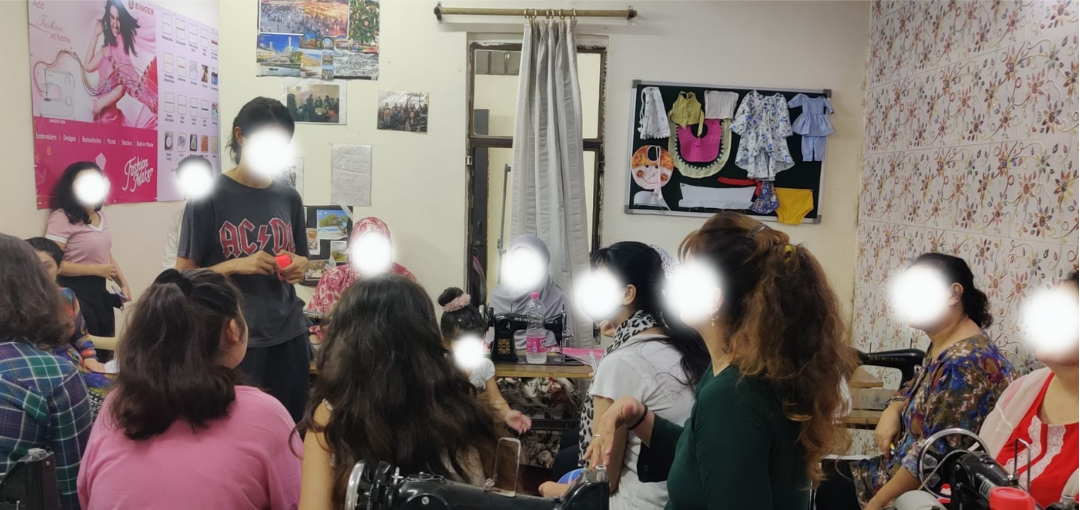
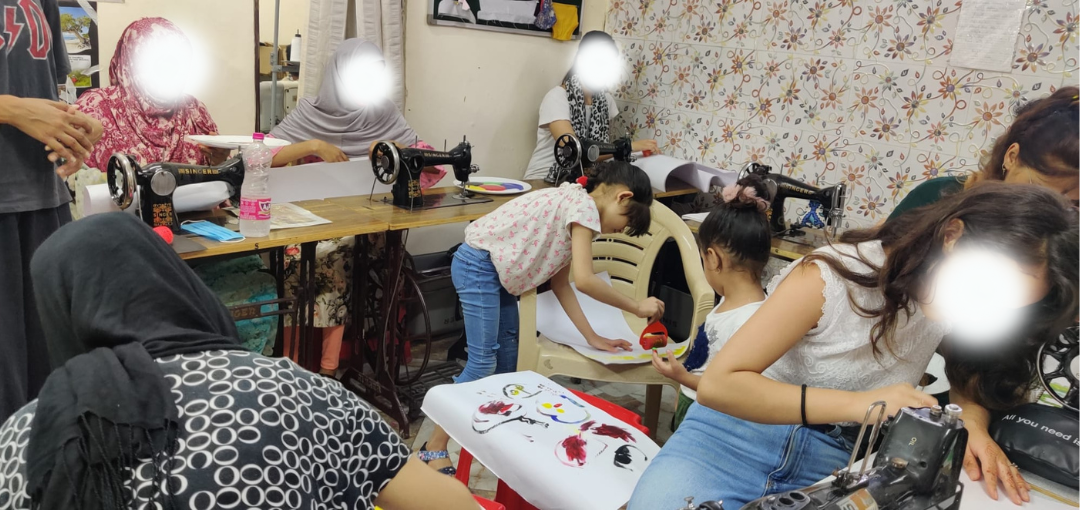
Despite the challenges, Bhutanese refugee women have organized themselves and formed and participated in various groups to advocate for their rights and improve their community’s living conditions. For instance: Bhutanese Refugee Women’s Forum has implemented several creative programmes such as training the women in beekeeping for honey production, laundry soap production, and baking that promote self-reliance and confidence amongst their community. Moreover, the organization through the support of UNHCR has actively focused on vocational training programmes such as tailoring, knitting, creating bamboo craft furniture and sanitary napkins production. The organization also aims towards fulfilling its objective of encouraging economic independence of refugee women by providing them short-term loans which can be utilized to start small businesses and gain new skills which can generate income and job opportunities for them. Lutheran World Federation Nepal is another local NGO which has been implementing diverse programmes in refugee camps to ensure distribution of food and other necessities with special emphasis on improving its access to women and children.
The resilience and determination of Bhutanese refugee women in the face of adversity are a testament to the power of collective action and the importance of supporting marginalized communities on a grassroots level.
However, it is important to remember that grassroots solutions can only be impactful in the long run when they are implemented with laws which combat institutional discrimination towards the marginalized groups. For example- Even if the refugee women participate in such development programmes, it would still be difficult for them to get formal employment or register businesses due to legal restrictions instilled by the governmental authorities.
References:
- Asian Development Bank, 2016
- World Economic Forum, 2021
- WRITENET, 1995
- Human Rights Watch, 2007
- HRW, 2003
- DW News, 2015