International Women’s Day 2023: “DigitALL: Innovation and technology for gender equality”
Members of the United Network of Young Peacebuilders (UNOY) are joining forces for International Women’s Day!
This year’s International Women’s Day’s thematic “DigitALL: Innovation and technology for gender equality” offers the perfect opportunity to explore the nexus between peacebuilding, gender equality and technology. Hard to believe, but these three are much more interconnected than you think!
EquAll access to technology
Women’s and gender nonconforming people’s systemic exclusion in peacebuilding efforts is moving away from any prospect to reach holistic and positive peace. Their exclusion from digital spaces forms a major obstacle to reach gender equality and by extension, to peace. In the digital age, technology and online education are key vehicles for the empowerment of women and gender nonconforming people. Yet, despite conventional views, worldwide, over 327 million fewer women than men have a smartphone and can access mobile Internet, depriving them from a myriad of opportunities, including influence in peace and governance processes.
Navya Khana, from UNOY member organisation The Peacebuilding Project, located in India, believes that creating initiatives which focus on equitable distribution of technology that take into consideration unequal gender dynamics can help build a world where women and girls in remote areas can access high-quality education through online platforms, learn digital skills that prepare them for the future workforce, and connect with other like-minded women worldwide.
“Women interested in monetising their skills can become financially independent by using social media and e-commerce platforms to sell their products to a global audience and create a better life for themselves and their communities. Digital tools, if made accessible to all genders, can be a potent catalyst for awareness-building and transformation. Women may band together to advocate for their rights, demand an end to gender-based violence and discrimination, and motivate others to join the cause of women’s empowerment.” – Navya Khana , The Peacebuilding Project
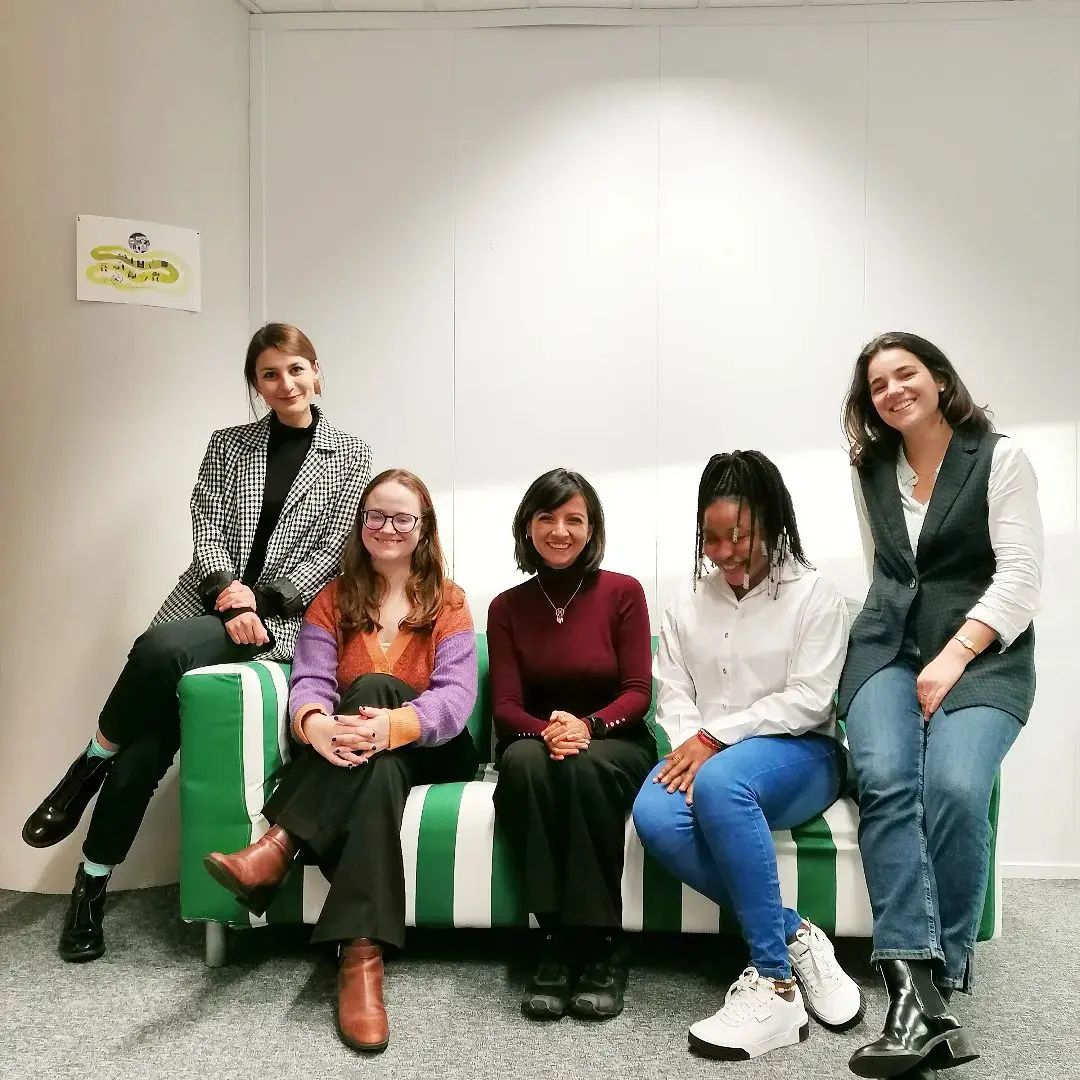
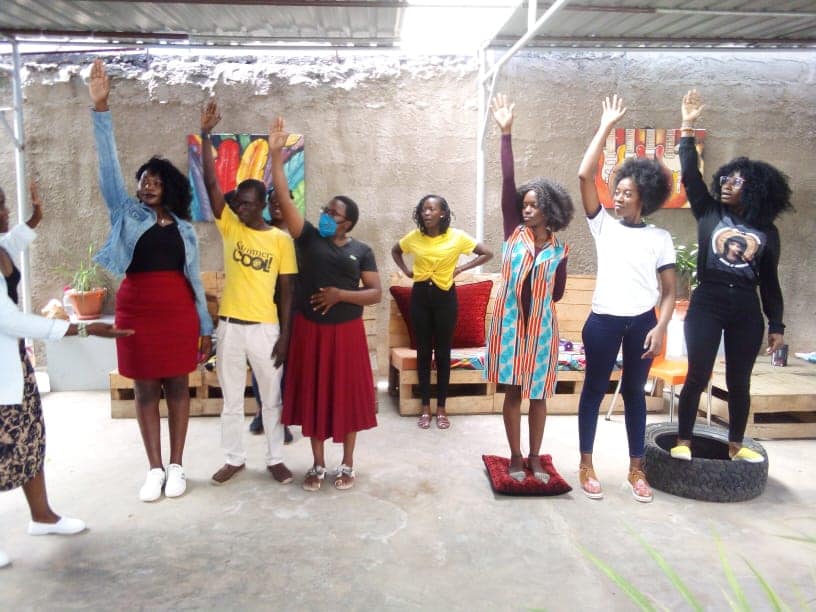
The work conducted by Grace Orao, UNOY member from Women Volunteers for Peace based in Kenya, showcases a successful example of the use of digital spaces to empower all the members of her community who are suffering from patriarchal structures.
“We have been able to promote peace by educating young women and girls on the effective use of art as a tool for social change. This has enabled a number of them to earn a living from their creative work and also proved that women can also earn a living from use of creative art and technology to support their families. Over 300 young women and girls in our programs have undergone digital training through partnership with a government initiative called Ajira Digital that seeks to enable one million Kenyan youth to earn a decent wage from digital and digitally enabled jobs annually. This initiative has enhanced creativity through technology among young women and girls, empowering them to create jobs for others and to brand themselves in a great way.” – Grace Orao, Women Volunteers for Peace
Gender bias in tech: ERROR 404 peace not found
Gender-based unequal access to technologies creates another time bomb for peace: the exclusion of women and gender nonconforming people in the technology sector leaves this sector only to cis men and to their gender biases. An analysis of 133 artificial intelligence systems across industries revealed that 44.2 per cent demonstrate gender bias, a worrisome situation considering the increasing application of artificial intelligence in the domain of peacebuilding. The systemic occurrence of online gender-based violence is another direct result of the exclusion of women and gender nonconforming people in tech design and governance, which further discourages them to take part in most peacebuilding efforts.
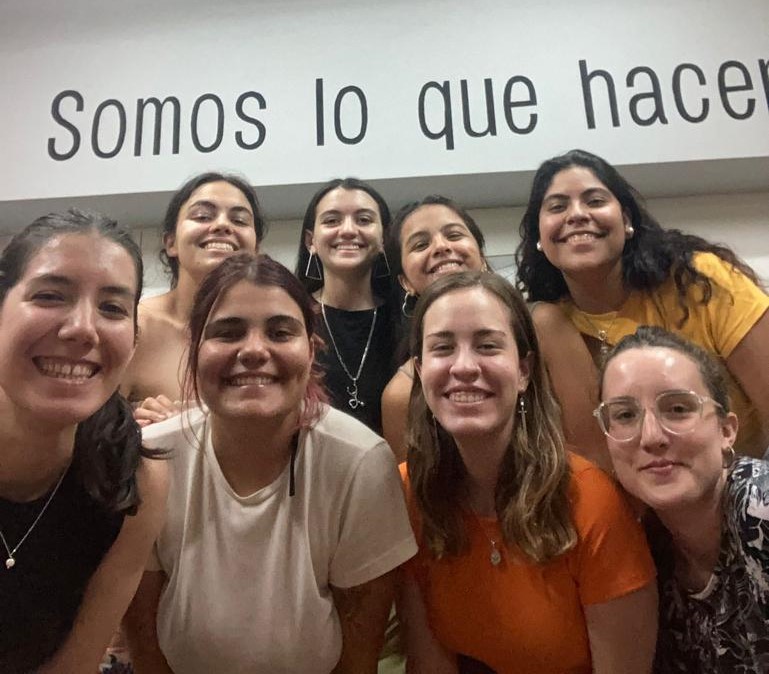
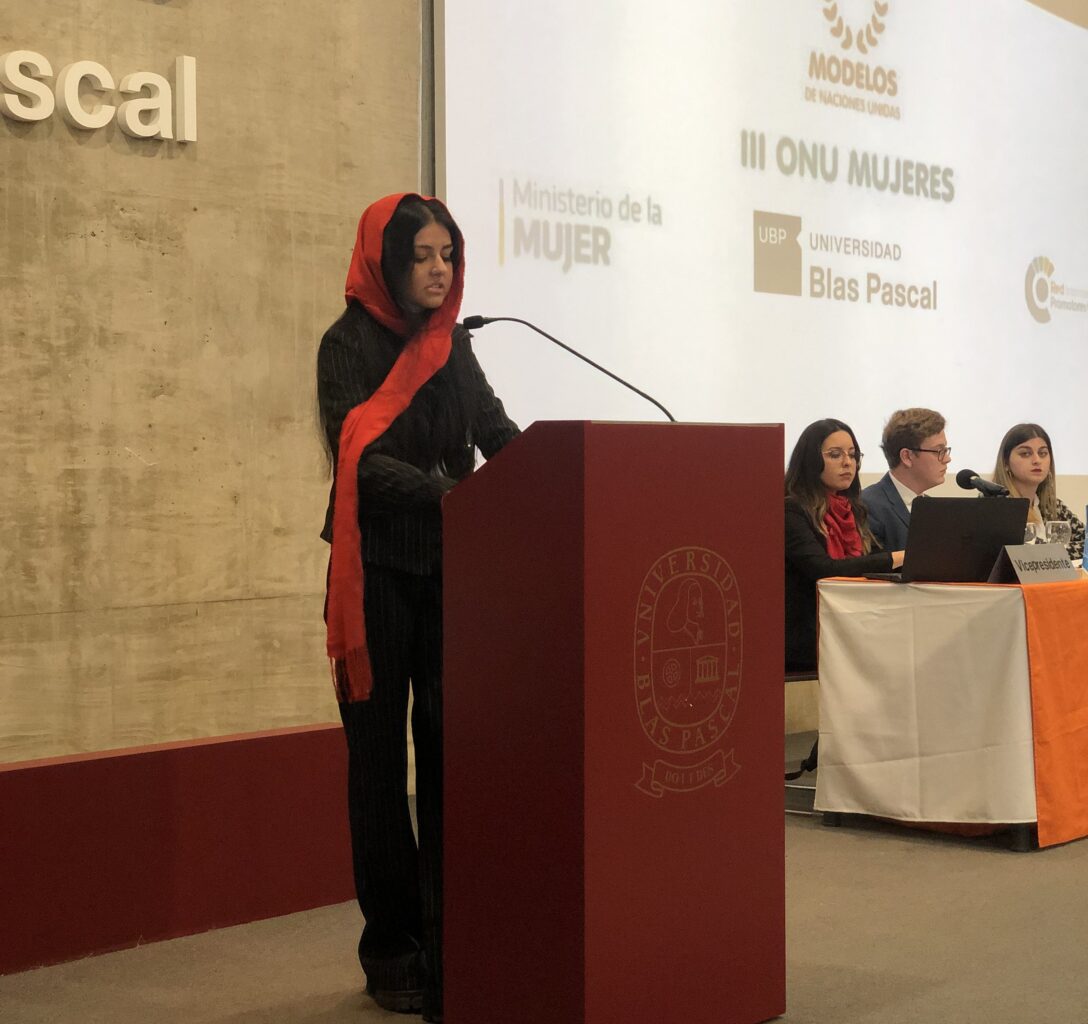
Antonella Barra, from UNOY member Organización Argentina de Jóvenes para las Naciones Unidas (OAJNU) located in Argentina, is advocating for a change in mindsets and a more inclusive technology sector:
“Women in science and technology get constantly invalidated: having to fight in a man controlled environment, with salary gaps, and having to work twice as hard to get the same recognition as a man. A decent access to education and participation is the only way to fully exercise our rights. The time has come for everyone to understand what we are fighting for, to stop minimizing a problem that is stopping us from evolving. New generations of women should have a safe space to exercise their rights, to believe that they will have the chance to succeed in everything they work for, and not live in frustration because there are no opportunities for them. This is why, at our organization, we work everyday to create these spaces in which women have voices, feel comfortable and learn tools that will help them to get through the challenges our society puts them through”. – Antonella Barra, OAJNU
Technology must be intersectional
It is impossible to shed light on the intersection between peacebuilding, gender equality and technology without a strong intersectional lens going beyond a gender-binary perspective. At UNOY, we believe that the gender of all peacebuilders who identify as female deserve to be treated equally, as well as those who do not identify as any gender but lose opportunities in society because they fall outside binary gender norms.
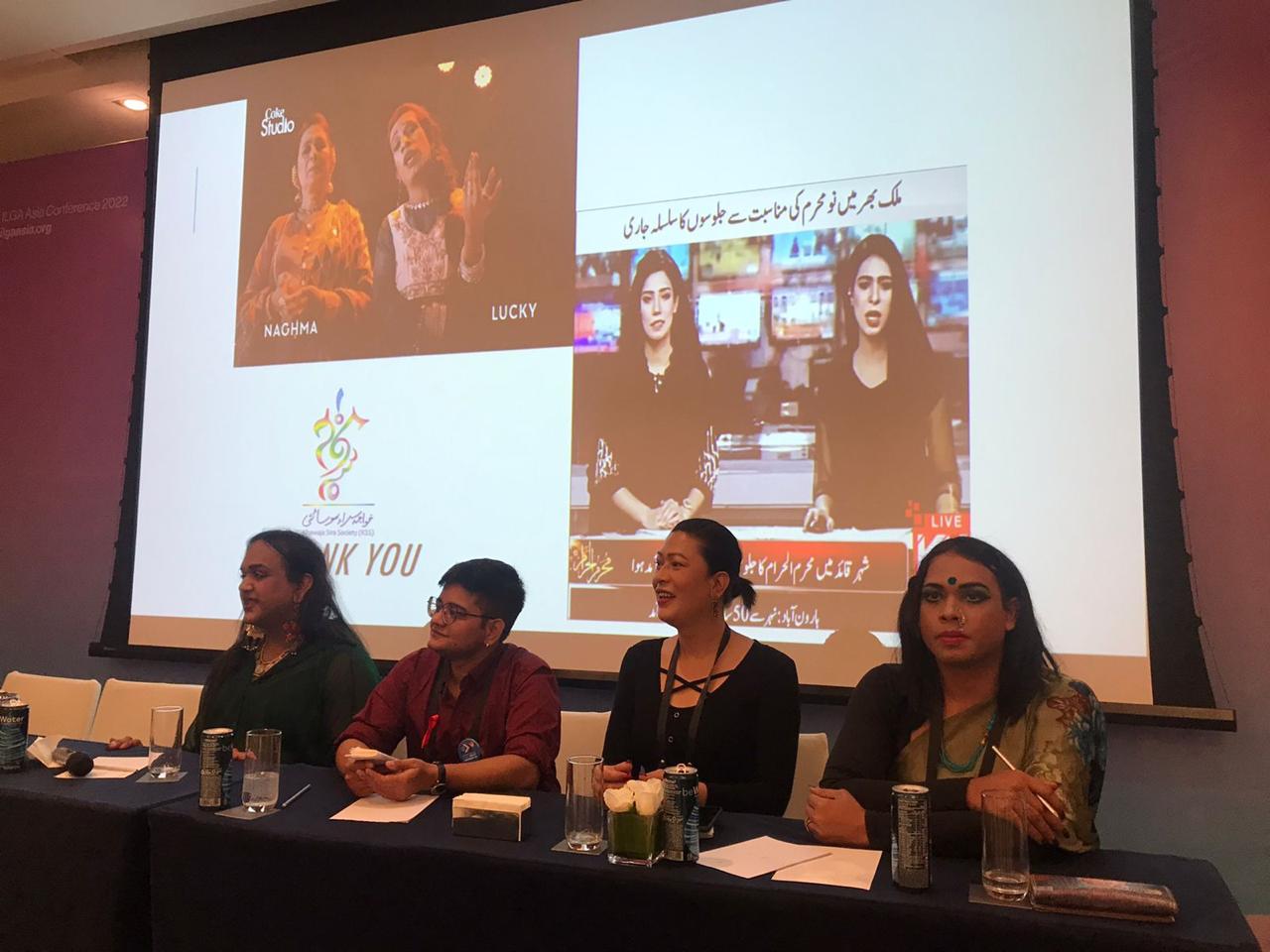
Tushar Baidya and his team, from UNOY member Inclusive Bangladesh, conducted a survey within the transgender community in Bangladesh on the use of digital devices which revealed that eight out of ten transgender people in the country do not have an internet-enabled mobile phone or do not know how to use one.
“Despite government and NGO efforts to provide formal education to transgender individuals, informal instruction on the use of essential digital devices such as mobile phones is not available. Mobile banking, utility bill payments, and government assistance, to name a few, are among the activities of daily life in Bangladesh that are completely shifting to digital platforms. While progress is being made rapidly, women, transgender, and non-binary people are not developing the skills necessary to use this technology at the same rate. On this year’s International Women’s day, we urge tech companies to increase their support for informal education for women, transgender, non-binary, and other gender-diverse populations, so that the central goal of digitalisation can be realized in a more inclusive manner.” – Tushar Baidya, Inclusive Bangladesh
Youth, gender equality, peace!
UNOY members have proven that the intersection between peace, gender equality and technology is no wager as long as young people, and especially young women and gender nonconforming individuals, are meaningfully included in the equation.
“In the social gender equality search it is fundamental to understand that the youth have a big role, being the ones who lead the decision making process to take control of their own lives in a context in which this ability was formerly denied. The empowerment of young women and gender nonconforming people is the only tool to move towards the full exercise of their rights, so that they can understand and develop their lives from a perspective of access and control. There is no peacemaking without a change in society’s mindset. There is no peace without equality, without a chance to take control over our lives.” – Antonella Barra, OAJNU
1 OECD, Bridging the digital gender divide – include, upskill, innovate, 2018
2 UN Women, 2023
Authors:
Manon Buret – UNOY Network Coordinator
Sushruta Kokkula – UNOY Network Officer
Navya Khanna – UNOY member, The Peacebuilding Project
Grace Orao – UNOY Regional Coordinator for ESA and member, Women Volunteers for Peace
Antonella Barra – UNOY member, Organización Argentina de Jóvenes para las Naciones Unidas
Tushar Baidya – UNOY member, Inclusive Bangladesh